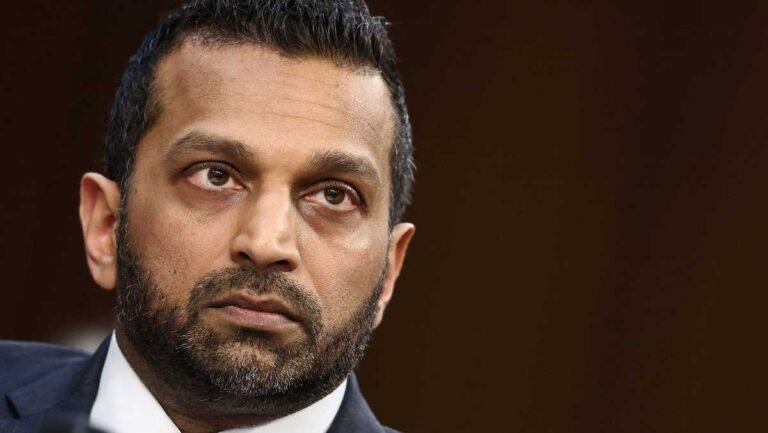


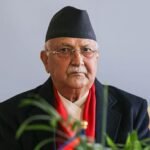


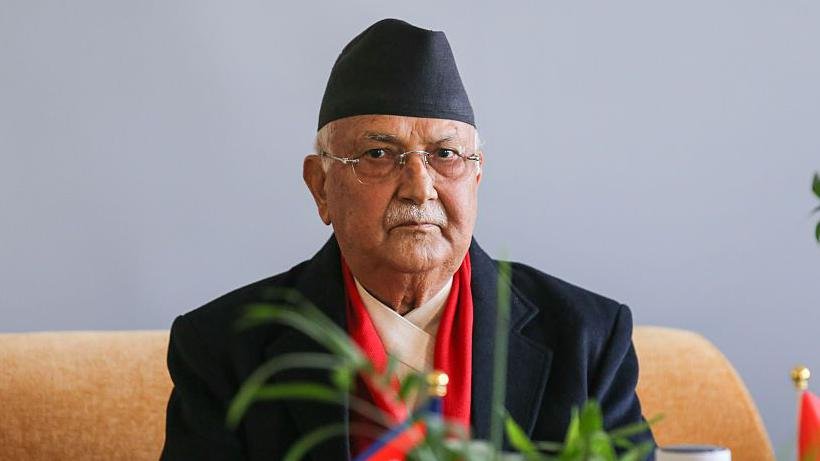
Kathmandu, March 28, 2026 — In a dramatic political development, Nepal’s former prime minister K. P. Sharma Oli has been arrested along with former home minister Ramesh Lekhak in connection with a deadly crackdown on youth-led protests that shook the country last year.
The arrests, confirmed by police on Saturday, are linked to a culpable homicide case stemming from the government’s handling of the so-called “Gen Z protests” in September 2025. Authorities say both leaders are being investigated for their alleged role in suppressing demonstrations that turned violent and resulted in dozens of deaths.
A Crackdown That Sparked National Outrage
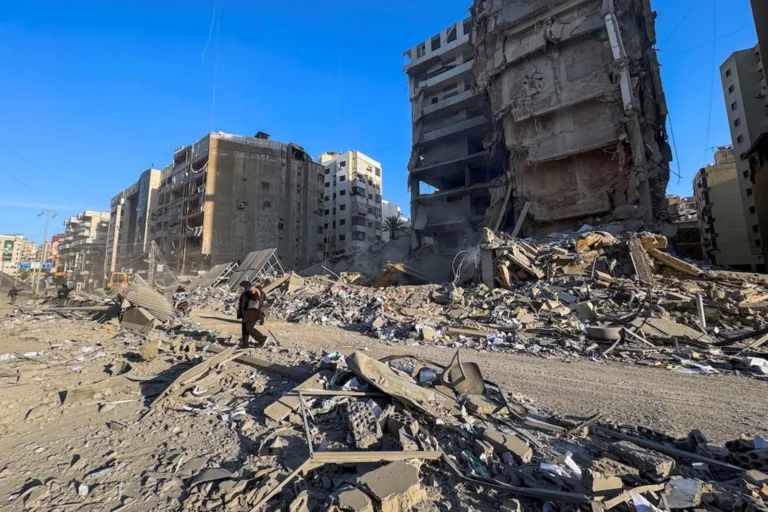
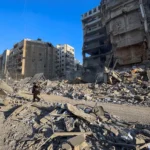
The protests, largely led by young people and students, erupted across Nepal amid growing anger over corruption, governance failures, and a controversial social media ban. What began as peaceful demonstrations quickly escalated into widespread unrest.
Within just two days, at least 76 people were killed and thousands injured, making it one of the deadliest episodes of civil unrest in the country’s recent history.
Investigators later concluded that the government’s response—particularly the use of force by security agencies—played a significant role in the high death toll. A government-appointed panel recommended legal action against top officials, including Oli and Lekhak, accusing them of negligence and failure to prevent excessive violence.
Arrests Follow Political Shift
The timing of the arrests is significant. They come just a day after Balendra Shah—a former rapper-turned-politician—was sworn in as Nepal’s new prime minister following a landslide electoral victory.
Shah’s rise to power has been closely tied to public anger over the protest deaths. His party capitalized on widespread frustration, promising accountability and political reform.
Authorities said the arrests were carried out based on the recommendations of the তদন্ত panel, signaling the new government’s intent to pursue justice in the case.
Legal and Political Implications
Police officials stated that both Oli and Lekhak are currently in custody and will be presented before a court. Legal proceedings are expected to determine whether formal charges will be filed and if the case will move to trial.
If prosecuted and found guilty, the former officials could face significant prison sentences. However, legal experts note that the process may take time, as a full criminal investigation must be completed before charges are formally established.
Oli’s legal team has already pushed back against the arrest, calling it “unnecessary” and politically motivated, arguing that there was no risk of him evading investigation.
A Turning Point for Nepal
The arrests mark a pivotal moment in Nepal’s political landscape. The Gen Z protests not only led to the سقوط of Oli’s government but also triggered a broader demand for accountability and reform among the country’s youth.
For many, the case represents a test of Nepal’s commitment to justice—whether those in power can be held responsible for actions taken during times of crisis.
As the investigation unfolds, all eyes will remain on Kathmandu, where the outcome could reshape public trust in governance and the rule of law for years to come.