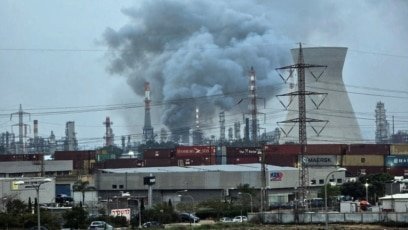
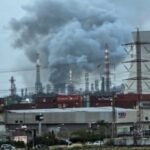



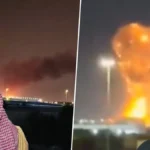

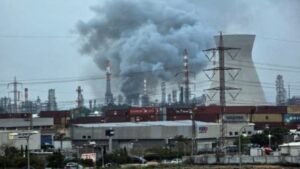

Doha, March 20, 2026 — A series of Iranian strikes on Qatar’s critical energy infrastructure has inflicted severe damage on the country’s liquefied natural gas (LNG) sector, wiping out roughly 17% of its export capacity and sending shockwaves through global energy markets.
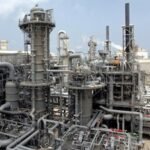
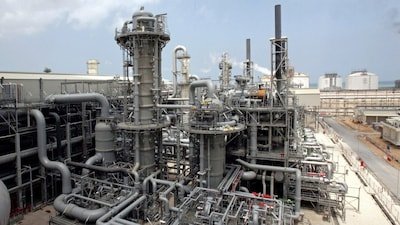
According to QatarEnergy CEO and Energy Minister Saad al-Kaabi, the attacks hit key facilities at Ras Laffan Industrial City, damaging two LNG production trains and a gas-to-liquids (GTL) plant. The disruption has halted about 12.8 million tonnes per year of LNG output, with repairs expected to take three to five years.
Major Blow to Global Energy Supply
Qatar is one of the world’s largest LNG exporters, supplying around 20% of global demand, meaning the outage could have far-reaching consequences.
The damaged infrastructure alone is estimated to have cost around $26 billion to build, underlining the scale of the setback.
Energy analysts warn that the outage could lead to tighter global supply, particularly in Asia and Europe, which depend heavily on Qatari gas. In fact, early market reactions have already seen natural gas prices surge sharply, with some regions experiencing double-digit increases.
Force Majeure and Contract Disruptions
In response to the damage, QatarEnergy has declared force majeure on several long-term LNG contracts, allowing it to suspend deliveries without penalty. This move affects major importers including China, South Korea, Italy, and Belgium, raising concerns about supply shortages and contract uncertainty.
The disruption extends beyond LNG. Officials say exports of related products will also decline, including:
-
Condensate (down 24%)
-
Liquefied petroleum gas (down 13%)
-
Helium (down 14%)
-
Naphtha and sulfur (each down about 6%)
Escalation of Regional Conflict
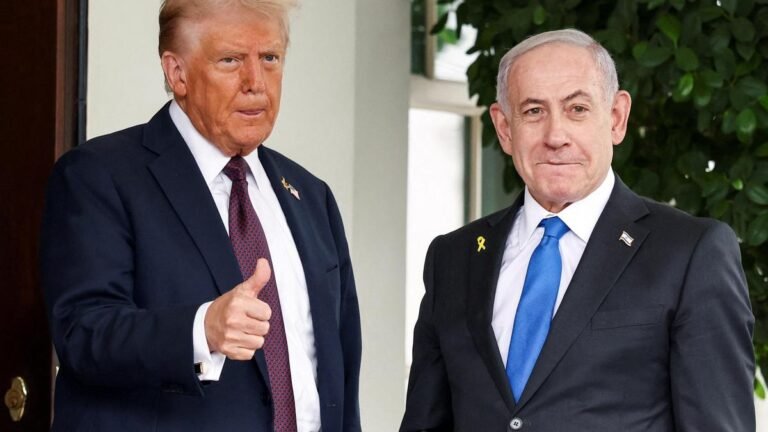
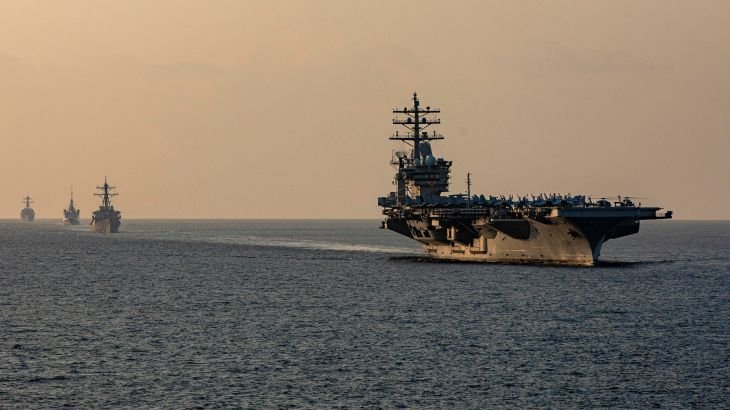
The attacks are part of a broader escalation in the Middle East, following Israeli strikes on Iranian energy infrastructure. Iran’s retaliation has targeted oil and gas facilities across the Gulf, including in Qatar, Saudi Arabia, and the United Arab Emirates.
Qatar has emphasized that it is not directly involved in the conflict, urging all parties to avoid targeting energy infrastructure due to the risks posed to global markets and economic stability.
Long-Term Impact on Energy Markets
The outage is expected to have lasting implications. Qatar’s ambitious North Field expansion project could be delayed by more than a year, slowing future capacity growth.
Meanwhile, other LNG producers—particularly in the United States—may attempt to fill part of the supply gap. However, analysts caution that global production capacity is already stretched, limiting how quickly lost Qatari supply can be replaced.
A Fragile Energy Future
The incident highlights the vulnerability of global energy infrastructure to geopolitical conflict. With a significant portion of the world’s LNG supply disrupted, experts warn that continued escalation could lead to prolonged volatility in energy prices and supply chains.
As tensions remain high, governments and energy companies worldwide are now reassessing their dependence on key suppliers and exploring alternative sources to ensure long-term energy security.