


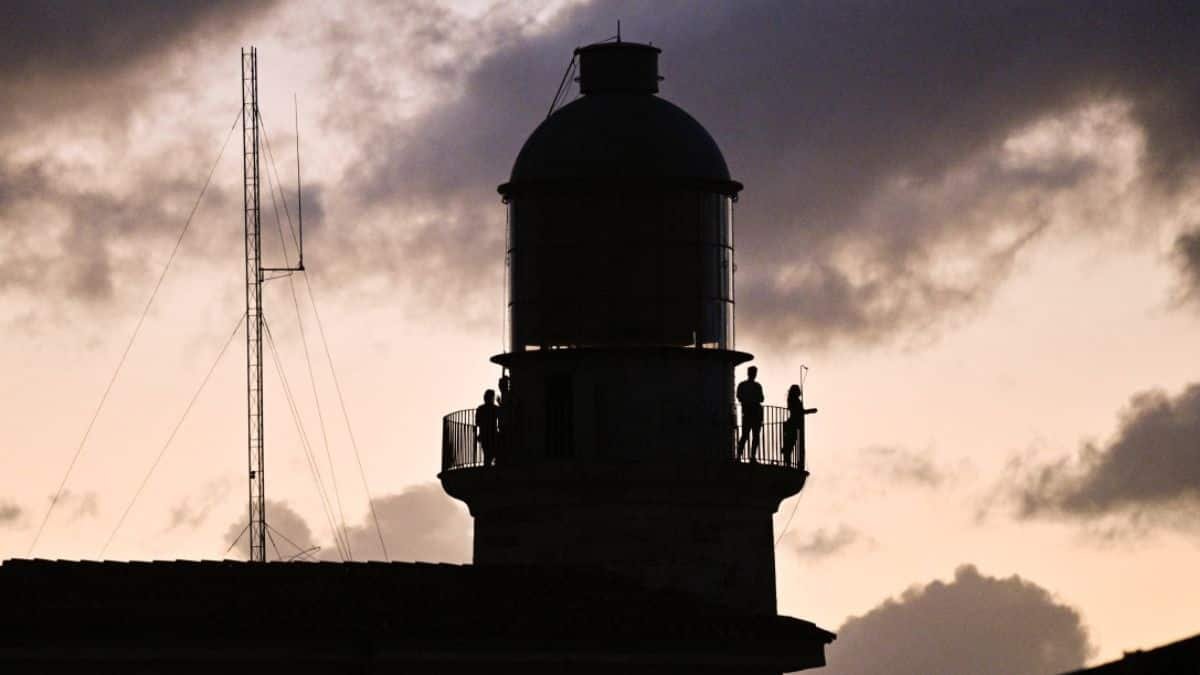
Havana: Cuba has been hit by yet another widespread power outage, leaving millions in the dark and highlighting the growing severity of the island’s energy crisis. The latest blackout—one of several in recent weeks—has forced residents in the capital, Havana, to rely on flashlights and other emergency lighting as electricity supplies continue to falter.
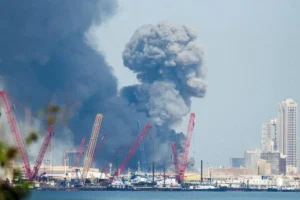
The outage was triggered by an unexpected failure at a major thermoelectric plant in Nuevitas, a key component of the country’s already fragile power grid. Officials say the repeated breakdowns are closely tied to persistent fuel shortages, which have made it increasingly difficult to keep power stations running consistently.
A crisis driven by fuel shortages
At the heart of the crisis lies a deepening shortage of oil. A tightening U.S. oil blockade, introduced earlier this year, has sharply reduced Cuba’s access to fuel imports. The situation worsened after shipments from key partners like Venezuela were disrupted, leaving the country struggling to meet even basic energy demands.
As a result, Cuba’s aging electricity infrastructure—already under strain—has been pushed to the brink. Experts say the country can currently produce only a fraction of the fuel it needs, leading to frequent outages and, increasingly, nationwide grid collapses.
Daily life disrupted
For ordinary Cubans, the consequences are severe. Many households are facing long hours without electricity, affecting everything from food storage to access to clean water. Hospitals and essential services have been forced to rely on backup generators, while businesses and transportation networks continue to face major disruptions.
In Havana and other cities, streets have gone dark at night, with residents turning to candles, flashlights, and improvised lighting solutions. Internet and mobile services have also been affected during outages, adding to the sense of uncertainty and isolation.
Repeated blackouts raise concerns
The latest incident marks the second nationwide blackout within a week and one of multiple grid failures reported this month. Authorities have been working to gradually restore power, with partial electricity returning to parts of Havana within hours. However, full recovery across the island often takes longer, and repeated outages have become increasingly common.
The frequency of these breakdowns has raised serious concerns about the stability of Cuba’s power system. Analysts warn that without a steady fuel supply or major infrastructure upgrades, the country could face continued blackouts in the weeks ahead.
Uncertain road ahead
Efforts are underway to ease the crisis, including attempts to secure fuel shipments from allies such as Russia. However, these deliveries remain uncertain amid geopolitical tensions and ongoing sanctions.
For now, Cuba remains locked in a difficult cycle: limited fuel supplies, aging infrastructure, and rising demand continue to strain the system. As night falls across Havana, the glow of flashlights and candles has become a stark symbol of a nation grappling with one of its worst energy crises in years