










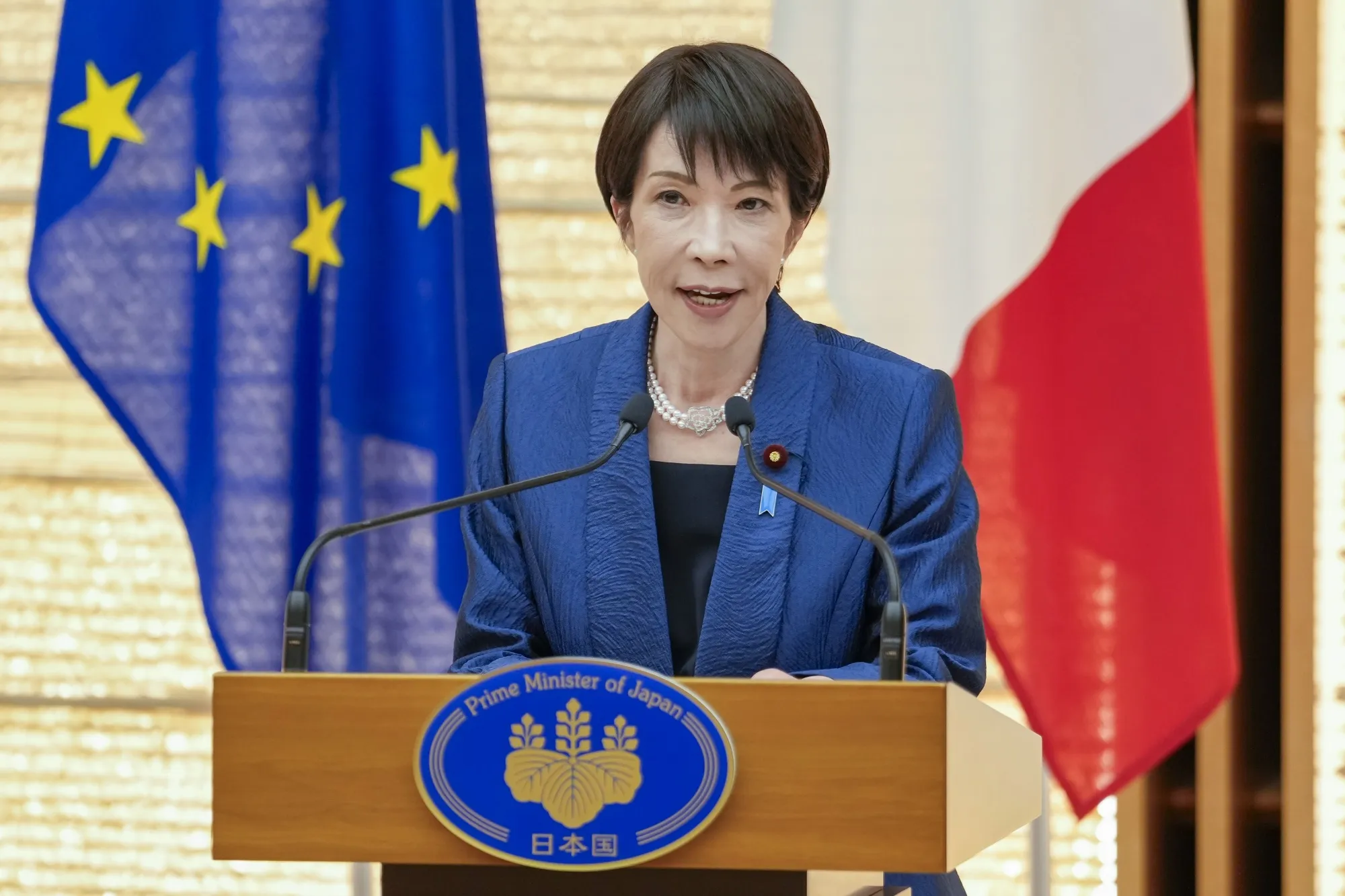
Tokyo, Japan — Japan’s recent election has given Prime Minister Sanae Takaichi a powerful political mandate to push through ambitious changes at a time of rising economic and geopolitical uncertainty.
In early February, voters delivered a decisive victory to Takaichi’s ruling coalition in a snap general election, granting her Liberal Democratic Party (LDP) a supermajority in the lower house of Japan’s Parliament. This rare electoral outcome significantly strengthens her authority to pursue structural reforms at home and a more assertive foreign policy abroad.
Takaichi, who became Japan’s first female prime minister in October 2025, entered the polls with a pledge to tackle long-standing economic stagnation, demographic decline, and security concerns. Analysts say her victory reflects Japanese voters’ desire for decisive leadership as Tokyo navigates an increasingly volatile global landscape.
In her policy vision, economic reform sits at the centre. Takaichi champions what she terms a “responsible, proactive fiscal policy” — blending government investment in growth sectors with measures to ease everyday financial pressures on households. A key campaign promise was a temporary suspension of consumption tax on food to help families cope with rising costs, though critics warn this could widen Japan’s already massive public debt unless balanced by growth-boosting reforms.
Japan’s demographic challenge — one of the most serious in the developed world — remains a pressing issue. With birth rates at historic lows and a rapidly ageing population, Takaichi’s mandate to pursue structural reform includes efforts to make the labour market more dynamic and enhance social welfare systems. Experts argue that without deep changes to Japan’s economic framework, gains from short-term stimulus will be limited.
On the international stage, Takaichi’s strengthened political hand gives her room to steer Japan’s foreign and security policies more assertively. She has signalled plans to deepen cooperation with allies, particularly the United States, and to enhance Japan’s defence capabilities amid growing regional tensions. This includes discussions on expanding intelligence capabilities and revising longstanding post-war security constraints.
But the road forward is far from smooth. Takaichi’s reform agenda faces scepticism from both domestic critics and international investors, who are wary of how increased spending and tax cuts might affect Japan’s fiscal stability and bond markets. Her government must now translate electoral momentum into practical policy that can sustain economic confidence and social support over the long term.
With a rare supermajority backing her, Sanae Takaichi is poised to shape Japan’s policy direction in a turbulent era — balancing immediate economic challenges with structural change that supporters say is essential for Japan’s future.