









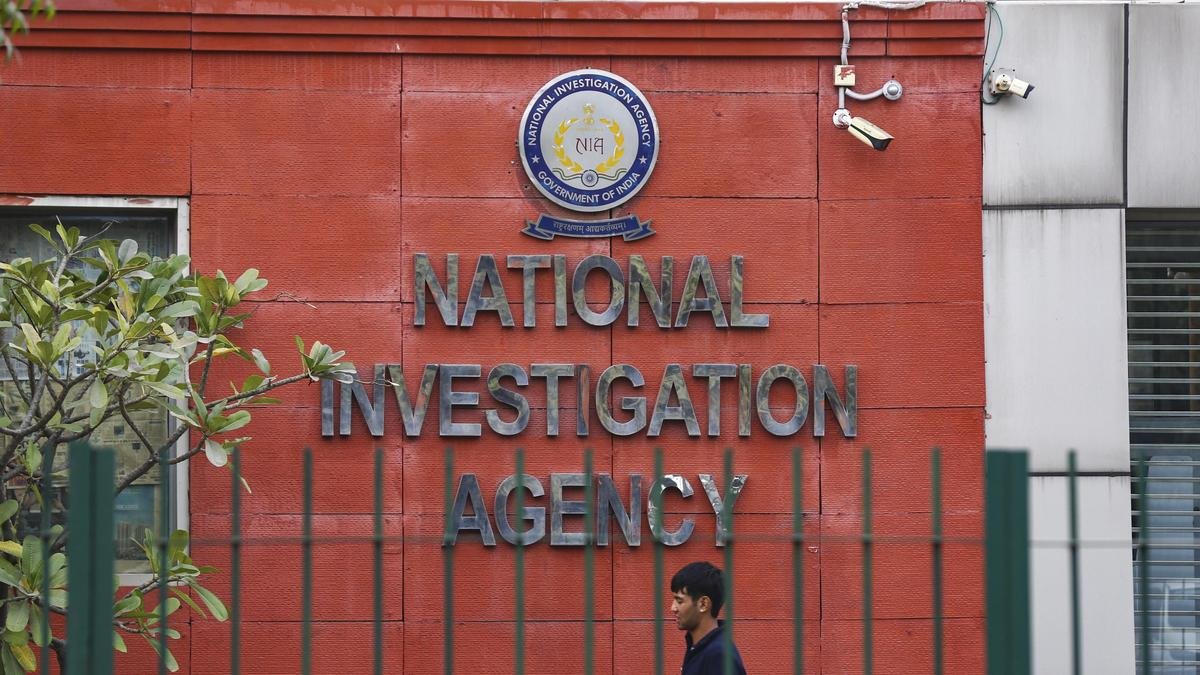
In a development that has raised fresh concerns over security ahead of elections, India’s premier anti-terror agency, the National Investigation Agency (NIA), has registered a case to investigate the recovery of a large cache of crude explosives in poll-bound West Bengal.
The incident came to light after local police conducted a raid in the Bhangar area on the outskirts of Kolkata, where they discovered as many as 79 crude bombs hidden inside an abandoned structure. According to officials, the bombs were crudely assembled and tied with jute ropes, indicating they were likely intended for localised use rather than sophisticated attacks.
Security concerns ahead of polling
The recovery has sparked alarm because it comes just days before a crucial phase of voting in the state. Bhangar, known for its history of political tensions and sporadic violence, is considered a sensitive constituency during elections. Authorities fear that the explosives may have been stockpiled to disrupt the electoral process or intimidate voters.
Recognising the seriousness of the situation, the central government handed over the case to the NIA, citing potential violations under laws dealing with explosives and threats to public safety. Officials noted that the scale of the recovery suggests more than a routine law-and-order issue, pointing instead to a possible organised effort to create unrest.
What the investigation will focus on
With the case now formally registered, the NIA is expected to probe several key angles:
- The origin and supply chain of the crude bombs
- Individuals or groups involved in storing the explosives
- Whether there was a coordinated plan to use them during elections
- Possible links to previous incidents of violence in the region
Investigators are also likely to question local suspects and examine whether any political or criminal networks are connected to the cache. Early reports suggest that a local strongman, already linked to an earlier blast case, may come under scrutiny.
Political backdrop adds to tensions
The discovery has further intensified the already charged political atmosphere in Bhangar, where rival parties are locked in a fierce contest. The region has witnessed clashes in the past, making the presence of such a large number of explosives particularly worrying for both authorities and residents.
Security has since been tightened in and around the area, with additional forces deployed to ensure that polling can proceed without disruption. Officials have reiterated their commitment to maintaining law and order and ensuring that voters can exercise their democratic rights safely.
A broader concern
The incident highlights a recurring challenge in parts of West Bengal, where crude bombs—often locally manufactured—have been used in political conflicts. However, the scale of this recovery stands out, prompting central agencies to step in directly.
As the investigation unfolds, authorities hope to uncover not just those immediately responsible, but also any larger networks that may be attempting to influence the electoral process through fear or violence.