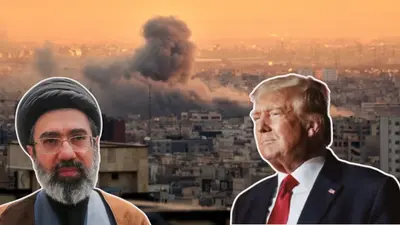






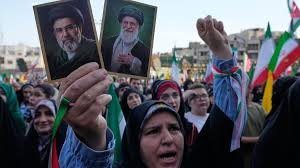


Tensions in southern Lebanon have escalated sharply after the Israeli military issued evacuation warnings to residents of several towns north of the Litani River, signaling a possible expansion of military operations despite an ongoing but fragile ceasefire.
According to official statements, Israel ordered civilians to leave at least seven towns located beyond its previously declared “buffer zone,” urging people to move further north and west to avoid imminent strikes. The Israeli military said the warning was prompted by what it described as repeated violations of the ceasefire by the Lebanese armed group Hezbollah, adding that it would act “forcefully” against perceived threats.
The evacuation directive comes at a time when hostilities between Israel and Hezbollah have continued despite a U.S.-mediated truce that began earlier in April. While the ceasefire was intended to calm weeks of cross-border fighting, both sides have accused each other of breaches, and violence on the ground has persisted.
Deadly Strikes and Rising Casualties
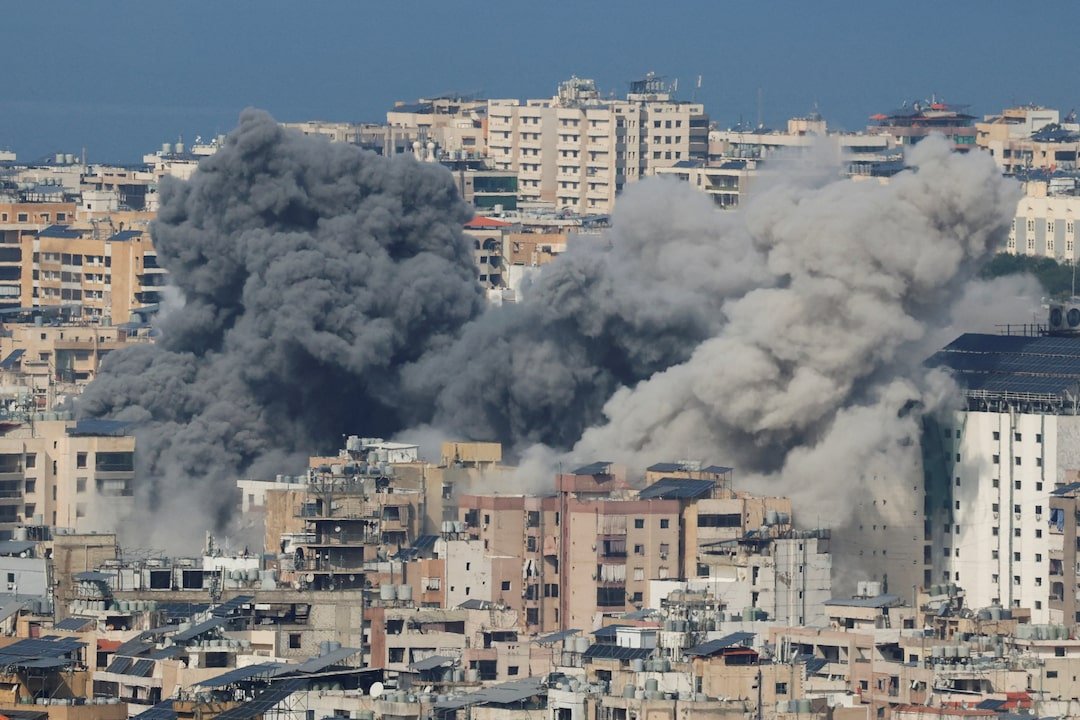
On April 26, Israeli airstrikes hit multiple locations in southern Lebanon, killing at least 14 people and injuring dozens more, according to Lebanon’s health ministry. The casualties reportedly included women and children, marking one of the deadliest days since the ceasefire took effect.
Israeli officials said the strikes targeted Hezbollah infrastructure, including rocket launch sites and weapons depots. Hezbollah, in turn, confirmed that it had carried out attacks on Israeli forces, stating that it would continue to respond to Israeli military actions.
The Israeli military also reported intercepting drones near its northern border, underscoring the ongoing threat environment in the region.
Ceasefire Under Strain
The latest evacuation warnings highlight the fragile nature of the ceasefire, which has struggled to hold since it was brokered earlier this month. Analysts say the situation reflects a broader pattern of escalation, with both Israel and Hezbollah testing the limits of the truce while preparing for potential wider conflict.
The areas targeted in the warnings lie north of the Litani River, a region that holds strategic significance. Israel has previously indicated its intention to push Hezbollah forces further away from its border and has maintained a military presence in parts of southern Lebanon even after agreeing to the ceasefire.
Despite diplomatic efforts, the conflict has resulted in significant human and material losses. Since early March, more than 2,500 people have reportedly been killed in Lebanon, while casualties on the Israeli side include both civilians and soldiers.
Uncertain Outlook
With evacuation orders expanding into new مناطق (areas) and airstrikes intensifying, fears are growing that the conflict could spiral further. Civilians in southern Lebanon now face renewed displacement, with many already having fled their homes earlier in the fighting.
For now, international calls for restraint continue, but the situation on the ground suggests that the ceasefire remains tenuous at best. As both sides signal readiness for further confrontation, the risk of a broader regional escalation looms large.