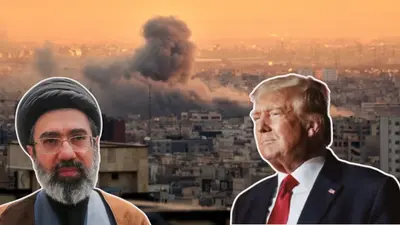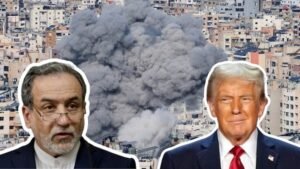





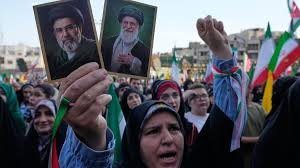

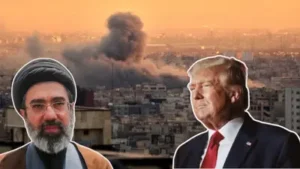
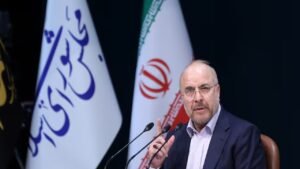
A fragile ceasefire between the United States and Iran is increasingly under strain as diplomatic efforts falter, even as Tehran puts forward a fresh proposal aimed at easing one of the world’s most dangerous geopolitical standoffs.
The latest developments come after weeks of indirect negotiations, shifting alliances, and rising military pressure across the Middle East. While both sides signal openness to dialogue, deep mistrust and unresolved disagreements continue to block any meaningful breakthrough.
Talks Collapse Amid Diplomatic Confusion
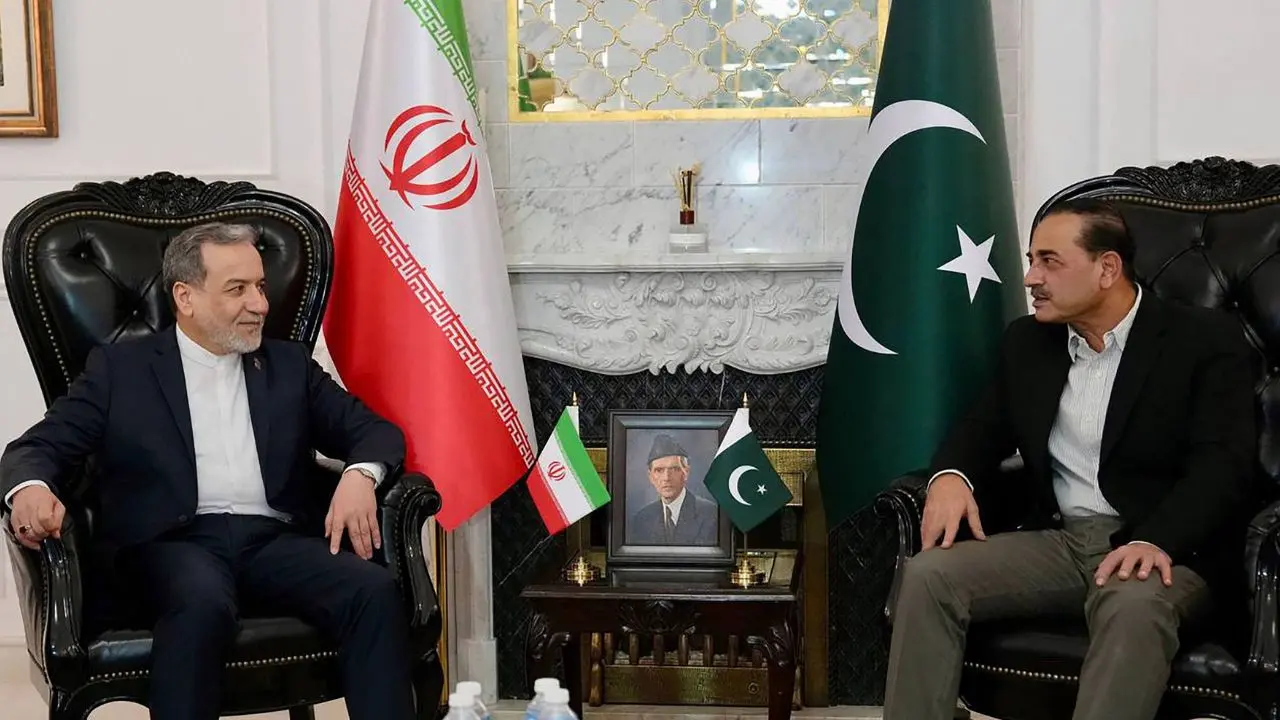
Efforts to restart peace talks suffered a setback after a planned round of negotiations in Islamabad failed to materialize. Iranian Foreign Minister Abbas Araghchi had arrived in Pakistan as part of a broader diplomatic push, but left before US officials could engage directly.
In response, former US President Donald Trump abruptly cancelled a planned visit by American envoys, citing frustration with Iran’s stance and the lack of progress.
Despite the breakdown, backchannel communication has not completely stopped. Mediators, particularly from Pakistan and Oman, continue to shuttle messages between Washington and Tehran in an attempt to revive negotiations.
Iran Floats New Deal Focused on Strait of Hormuz
In a significant diplomatic move, Iran has proposed a new framework to de-escalate the conflict. The plan reportedly prioritizes reopening the Strait of Hormuz—a critical global oil transit route—in exchange for an end to hostilities.
Crucially, Tehran’s proposal suggests postponing contentious nuclear negotiations to a later stage, focusing first on immediate stability and economic relief.
The Strait of Hormuz has remained a flashpoint throughout the conflict. Iran’s restrictions on shipping, combined with a US naval blockade, have severely disrupted global oil supplies and heightened fears of a wider economic fallout.
War Roots and Rising Regional Stakes
The current conflict traces back to late February, when US and Israeli strikes targeted Tehran, killing senior Iranian leadership figures. Iran retaliated with missile and drone attacks on US bases and Israeli targets, rapidly escalating tensions across the region.
Although a temporary ceasefire was announced in early April, it has remained shaky, with both sides accusing each other of violations.
Meanwhile, the conflict has expanded beyond bilateral tensions. Clashes involving Israel and Hezbollah continue, adding another layer of instability to an already volatile situation.
Global Impact: Oil Prices Surge, Trade Disrupted
The geopolitical uncertainty is already being felt worldwide. Oil prices have surged sharply amid fears of prolonged disruption in the Gulf, with the Strait of Hormuz handling a significant share of global crude shipments.
Shipping activity in the region has dropped dramatically due to blockades and security concerns, affecting supply chains and raising inflation risks for many economies.
Diplomatic Path Remains Unclear
Despite the setbacks, analysts say the door to diplomacy is not fully closed. Iran’s continued outreach—through Pakistan, Oman, and now Russia—suggests a willingness to keep negotiations alive, even if indirectly.
However, key sticking points remain unresolved. The United States continues to demand strict limits on Iran’s nuclear program, while Tehran resists what it calls “maximalist” conditions.
For now, the situation remains delicately balanced between war and negotiation. The success of Iran’s latest proposal—and Washington’s response—could determine whether the region steps back from the brink or slides deeper into conflict.