









Tensions in the Middle East have intensified after several commercial ships were struck near the strategically important Strait of Hormuz, raising fears of a wider regional conflict and disruption to global energy supplies.
According to multiple reports, at least three merchant vessels were damaged by projectiles while sailing through or near the busy shipping route. The attacks come amid an escalating confrontation involving Iran, the United States, and Israel, which has already led to military strikes, maritime incidents, and a surge in global oil prices.
Cargo Ships Damaged in Attacks
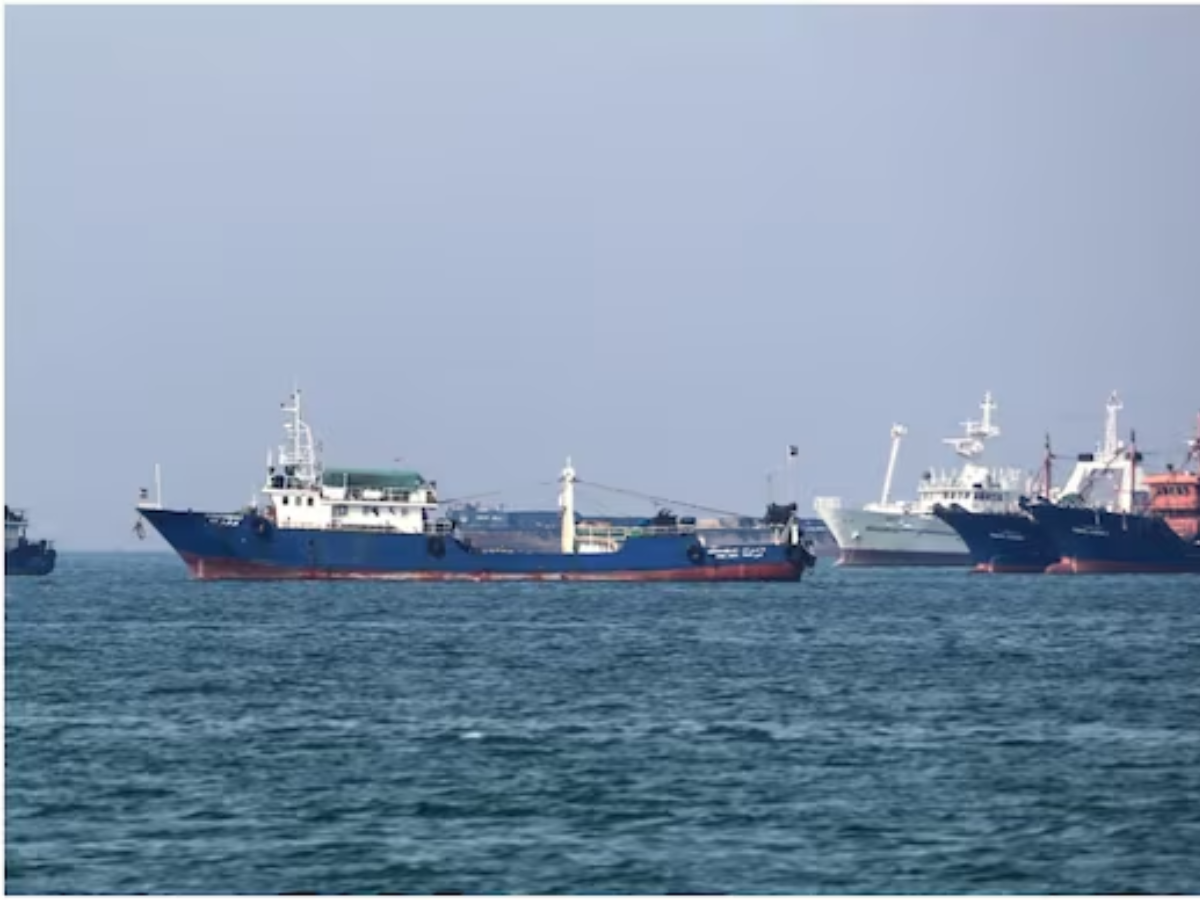
One of the vessels hit was the Thai-flagged bulk carrier MV Mayuree Naree, which reportedly caught fire after being struck by missiles shortly after passing through the strait. Of the 23 people onboard, 20 crew members were rescued by the navy of Oman, while three were reported missing.
Two other vessels also sustained damage during the incident:
- The Japanese container ship ONE Majesty
- The Marshall Islands-flagged bulk carrier Star Gwyneth
Although the latter ships reportedly suffered only minor damage, the attacks heightened concerns about the safety of international shipping in the region.
Wider Attacks Across the Gulf
The maritime incidents were not isolated. On the same day, two oil tankers were reportedly attacked near the Iraqi port of Al‑Faw Port. Explosions set the vessels ablaze and killed at least one crew member, while dozens of others were rescued.
Authorities suspect that explosive-laden boats linked to Iran were responsible for the attacks, though Tehran has framed its actions as retaliation for ongoing military strikes by the United States and Israel.
Strategic Waterway at the Center of the Crisis
The Strait of Hormuz is one of the world’s most important energy corridors, with roughly 20% of global oil shipments passing through the narrow channel each day. Disruption in the area can quickly ripple through global energy markets and international trade.
Amid rising tensions, shipping traffic in the strait has fallen sharply as many companies avoid the route due to safety concerns. Insurance costs for vessels traveling through the area have also surged, reflecting the growing risks.
Military Responses and Escalation
The United States has accused Iran of threatening international navigation and deploying naval mines in the waterway. U.S. military officials say they have destroyed several Iranian vessels suspected of laying mines in the region.
Meanwhile, Iranian officials have warned that continued attacks against their country could lead to further strikes on ships or infrastructure connected to the United States and its allies.
The situation has raised the possibility of naval escorts for commercial ships, though U.S. defense officials say such operations are currently too risky due to the ongoing hostilities.
Oil Prices and Global Impact
The attacks have already had a noticeable effect on global markets. Oil prices briefly surged close to $120 per barrel before stabilizing amid emergency measures by governments and energy agencies.
The International Energy Agency and several countries are considering releasing emergency oil reserves to stabilize supplies and calm financial markets.
Growing Fears of Wider Conflict
Analysts warn that continued attacks on shipping could push the region closer to a broader war. The conflict has already expanded beyond land battles, with maritime attacks, drone strikes, and economic retaliation becoming increasingly common.
For now, the Strait of Hormuz remains technically open, but the security situation has left many shipping companies reluctant to risk sending vessels through one of the world’s most critical trade routes.