










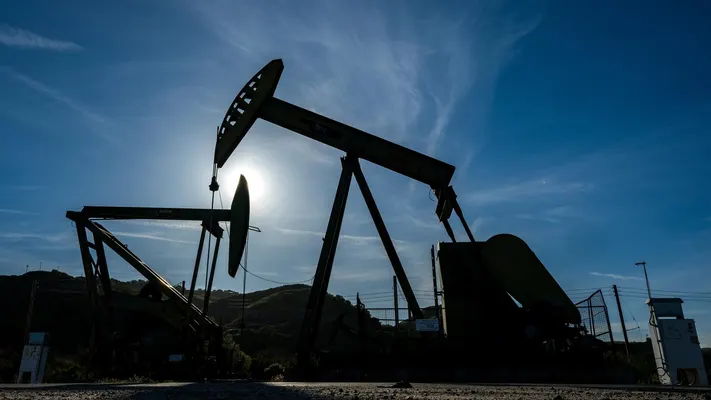
Global oil prices climbed sharply this week despite a historic release of emergency oil reserves by major economies, highlighting deep concerns about supply disruptions and growing geopolitical tensions in the Middle East.
The International Energy Agency (IEA) and its member countries recently announced the largest coordinated release of oil from strategic reserves in history. Around 400 million barrels of crude oil are expected to be released into the market, with the United States Strategic Petroleum Reserve contributing roughly 172 million barrels, the largest share of the emergency supply.
The move was intended to stabilize energy markets that have been shaken by escalating conflict in the Middle East and growing fears of supply shortages. Strategic reserves are typically used during emergencies to ensure global energy security and help reduce sudden price spikes.
However, instead of calming the market, oil prices continued to rise. Analysts say the scale of supply disruptions and geopolitical uncertainty is simply too large for reserve releases to offset in the short term.
Rising Tensions Fuel Supply Concerns
The surge in oil prices is closely linked to the ongoing crisis around the Strait of Hormuz, one of the world’s most critical oil shipping routes. Roughly 20% of the world’s oil supply passes through this narrow waterway, making any disruption there a major concern for global markets.
Recent attacks on oil tankers and cargo vessels in the region have further intensified fears of supply shortages. Some shipping companies have reportedly reduced operations or rerouted shipments due to security risks, contributing to volatility in global energy markets.
As a result, benchmark crude prices have surged. Brent crude recently climbed close to $100 per barrel, while U.S. crude benchmarks have also risen significantly as traders anticipate potential supply disruptions.
Supply Losses Outpace Emergency Measures
Experts note that the record reserve release, while unprecedented, may still be insufficient to balance the current supply shock. Estimates suggest that global supply disruptions could reach 10–15 million barrels per day, far exceeding the rate at which strategic reserves can be deployed.
Even though the IEA’s plan is large on paper, the oil will enter the market gradually. Analysts point out that this slower flow means the measure may not have an immediate impact on prices, particularly if geopolitical tensions continue to escalate.
Some market strategists argue that the release may only provide temporary relief unless supply routes return to normal and regional conflicts are resolved.
Economic Impact Around the World
The continued rise in oil prices is already affecting global economies. Higher energy costs typically increase inflation, raise transportation and production expenses, and put pressure on consumers and businesses.
Countries that rely heavily on imported oil are particularly vulnerable. For instance, nations such as India, which imports a large portion of its crude oil, could face higher fuel prices and economic strain if the situation persists.
Financial markets have also reacted to the uncertainty. Stock markets in several regions have experienced volatility, while investors have shifted attention toward commodities and other assets considered safer during geopolitical crises.
Outlook: More Volatility Ahead
Energy analysts warn that oil markets may remain unstable in the coming weeks. The effectiveness of the emergency reserve release will depend largely on whether shipping routes reopen and whether tensions in the Middle East ease.
If the conflict continues to disrupt production or transport routes, oil prices could rise further, potentially triggering another global energy shock.
For now, the situation underscores how fragile global energy markets remain, even when governments deploy their largest emergency tools to stabilize supply.