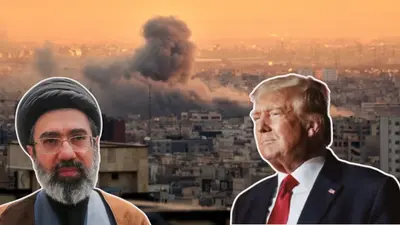






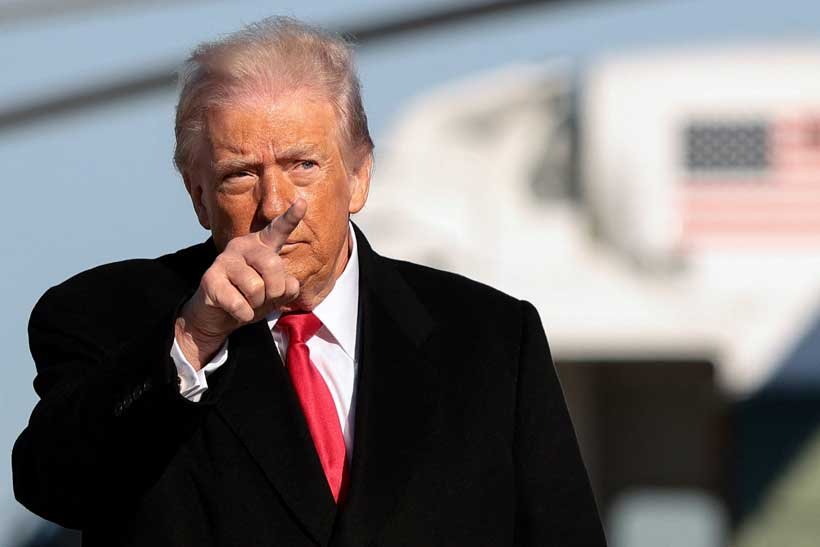
Washington, D.C., March 9, 2026 — U.S. President Donald Trump has dismissed concerns over rising global oil prices, describing the spike as a temporary consequence of efforts to eliminate Iran’s nuclear threat. His remarks come as escalating tensions in West Asia and ongoing military operations have pushed crude prices sharply higher and rattled global energy markets.
In a post on his social media platform Truth Social, Trump said the surge in oil prices would be short-lived and justified if it results in stopping Iran from developing nuclear weapons. He argued that the economic impact of higher fuel prices is a “very small price to pay” for the safety of the United States and global stability.
According to Trump, oil prices are expected to fall quickly once the perceived nuclear threat from Tehran is removed. The president emphasized that preventing Iran from acquiring nuclear capabilities remains a top priority for his administration and its allies.
Oil Prices Surge Amid Growing Conflict
The comments came as global oil markets reacted strongly to escalating conflict involving Iran, the United States, and regional allies. Crude prices surged roughly 20 percent in early trading, reaching their highest levels since 2022.
The spike has been driven by fears that the conflict could disrupt energy supplies from the Middle East, a region that plays a critical role in global oil production and shipping. Concerns are particularly focused on the security of the Strait of Hormuz, a vital shipping route through which a significant share of the world’s oil supply passes.
Recent attacks on energy infrastructure in the region, including oil storage facilities in Iran, have intensified those concerns. Investors worry that further escalation could lead to prolonged supply disruptions, driving prices even higher and affecting global inflation.
Trump Defends Strategy Despite Economic Pressure
Despite the economic pressure caused by rising fuel costs, Trump has maintained that the military campaign is necessary to prevent Iran from advancing its nuclear programme. He insists that once the conflict subsides and Iran’s nuclear capabilities are neutralised, oil markets will stabilize and prices will decline.
The president’s stance reflects a broader strategy of confronting Iran militarily and economically. His administration has repeatedly argued that strong action is required to prevent Tehran from developing nuclear weapons and threatening regional security.
However, the rising cost of energy has already begun to affect consumers and financial markets. In the United States, gasoline prices have increased noticeably, and analysts warn that prolonged conflict could push inflation higher and slow economic growth.
Global Concerns Over Economic Impact
Energy experts say the conflict could have far-reaching consequences for the global economy if disruptions continue. Oil prices have already crossed $100 per barrel, a level not seen in several years, reflecting the scale of uncertainty in energy markets.
Financial markets have also reacted to the crisis. Stock markets in several regions have experienced volatility as investors weigh the risks of a prolonged conflict in the Middle East.
Political pressure is also mounting on the Trump administration at home, where critics argue that higher fuel prices could hurt households and businesses. Some lawmakers have urged the government to take steps to stabilize prices, including releasing oil from strategic reserves or negotiating diplomatic solutions.
Uncertain Road Ahead
As tensions between the United States and Iran continue to escalate, the situation remains highly unpredictable. Military strikes, retaliatory attacks, and disruptions to energy infrastructure have heightened fears that the conflict could widen and further destabilize the region.
For now, the Trump administration appears determined to continue its strategy, arguing that the short-term economic pain is justified if it prevents Iran from becoming a nuclear power.
Whether the conflict will remain limited or expand into a broader regional crisis remains unclear. What is certain, however, is that developments in the Middle East are likely to continue influencing global oil markets—and the world economy—in the weeks ahead.