
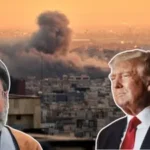
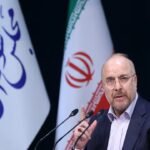



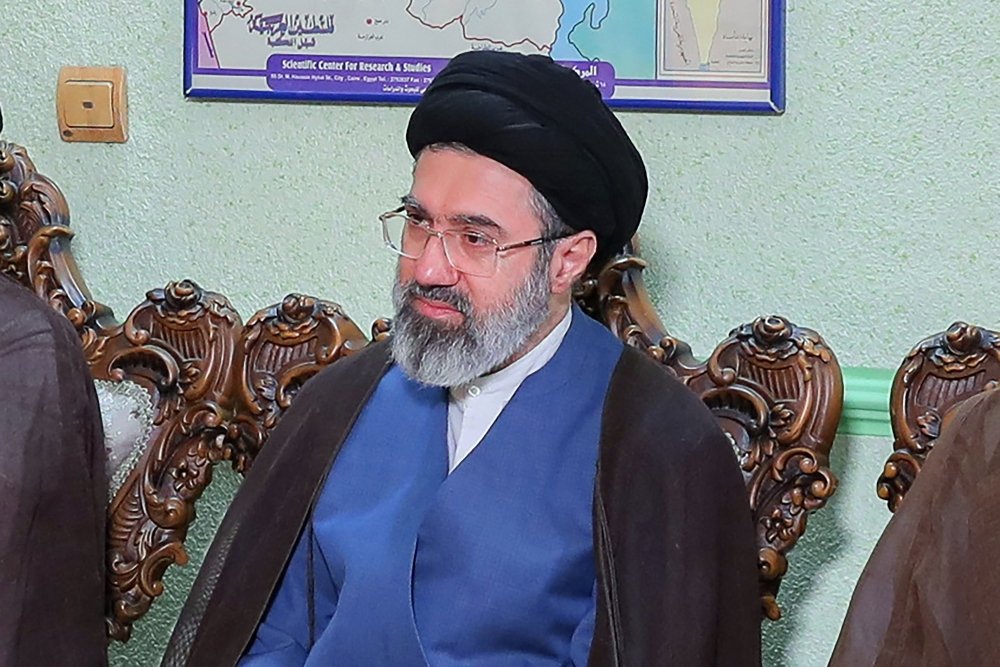
Tehran, March 9, 2026: Iran has officially named Mojtaba Khamenei, the son of the late Supreme Leader Ayatollah Ali Khamenei, as the country’s new supreme leader. The decision was made by the powerful Assembly of Experts, a clerical body responsible for choosing Iran’s highest authority.
The announcement comes at a time of intense regional conflict, as Iran remains locked in a widening war involving Israel and the United States. Mojtaba’s appointment signals a continuation of the hard-line leadership that has dominated Iran’s political system for decades.
A Rapid Succession After a Deadly Strike
The leadership transition followed the death of Ayatollah Ali Khamenei, who had ruled Iran since 1989. Reports say he was killed in late February during airstrikes linked to the escalating conflict between Iran, Israel, and the United States.
After his death, Iran’s 88-member Assembly of Experts convened to select a successor. Within days, the body voted to appoint Mojtaba Khamenei as the third supreme leader in the country’s history since the 1979 Islamic Revolution.
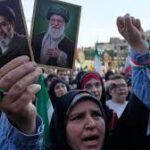
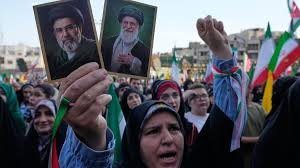
State television confirmed the decision early Monday, showing images of celebrations in parts of Tehran as the news spread.
Who Is Mojtaba Khamenei?
Mojtaba Khamenei, 56, has long been considered one of the most influential figures inside Iran’s political system despite holding no major public office.
A mid-ranking Shiite cleric, he spent much of his career working behind the scenes within the office of his father. Analysts say he built strong connections with the Islamic Revolutionary Guard Corps (IRGC) and conservative clerical networks.
Because of this influence, he was often described as a “power broker” or gatekeeper in Iranian politics. His rise to the country’s top position had been widely predicted even before the current conflict escalated.
Controversy Over Dynastic Succession
Mojtaba’s appointment has sparked debate both inside and outside Iran. Critics argue that the transfer of power from father to son resembles a dynastic succession, something the Islamic Republic historically opposed when it overthrew Iran’s monarchy in 1979.
Some analysts say the Assembly of Experts likely chose him because of his close ties to the military establishment and his ability to maintain political continuity during wartime.
International Reaction
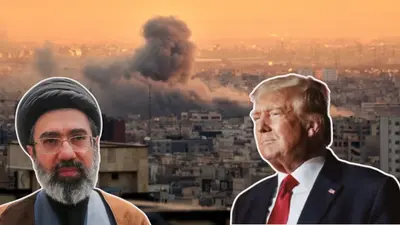
The leadership change has drawn strong reactions from global powers. The United States and Israel have already condemned Iran’s leadership and warned that the ongoing conflict could intensify under the new supreme leader.
Meanwhile, tensions across the Middle East remain high. Ongoing missile strikes, air raids, and attacks on infrastructure have pushed oil prices higher and raised fears of a wider regional war.
What the Role Means
In Iran’s political system, the supreme leader holds ultimate authority over the government, military, and judiciary. The position has the final say on national policy, foreign relations, and the country’s armed forces.
With Mojtaba Khamenei now assuming that role, observers believe Iran’s domestic and foreign policies are unlikely to change dramatically in the short term.
A Critical Moment for Iran
Mojtaba Khamenei takes power at one of the most volatile moments in Iran’s modern history. The country faces economic pressure, internal political divisions, and an escalating military confrontation with regional and global powers.
How the new leader manages these challenges could shape the future of Iran—and the wider Middle East—for years to come.