




Iran Shaken as Khamenei and Top Commanders Killed in U.S.–Israel Strikes — Tensions Surge Across Middle East
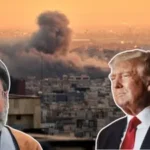
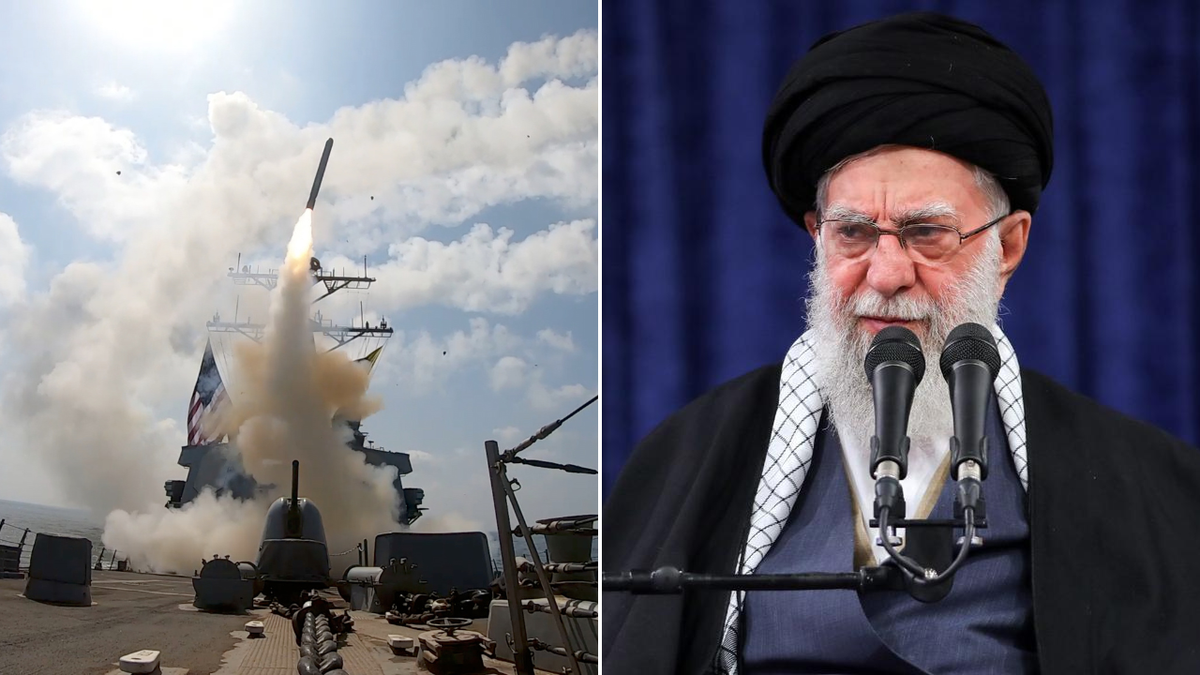
In a dramatic and unprecedented escalation of the long-running conflict between Tehran, Jerusalem and Washington, Iran’s Supreme Leader Ayatollah Ali Khamenei — the country’s most powerful figure for more than three decades — has been killed in a coordinated series of airstrikes carried out by the United States and Israel.
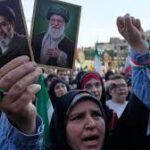
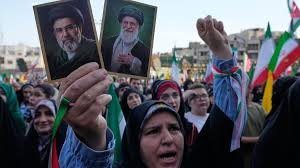
Iranian state media confirmed early on Sunday that Khamenei, 86, died following precision strikes on Tehran on Saturday, marking one of the most consequential blows to the Islamic Republic since the 1979 revolution. Officials also announced a 40-day national mourning period, underscoring the deep shock these events have sent through the country.
The operation didn’t stop with the supreme leader. According to military sources and independent reporting, a host of senior Iranian military and security officials were also killed. These included key defense figures such as Aziz Nasirzadeh, Iran’s minister of defence; Mohammad Pakpour, commander of the Islamic Revolutionary Guard Corps; and other senior advisers and intelligence chiefs, according to statements from the Israel Defence Forces (IDF).
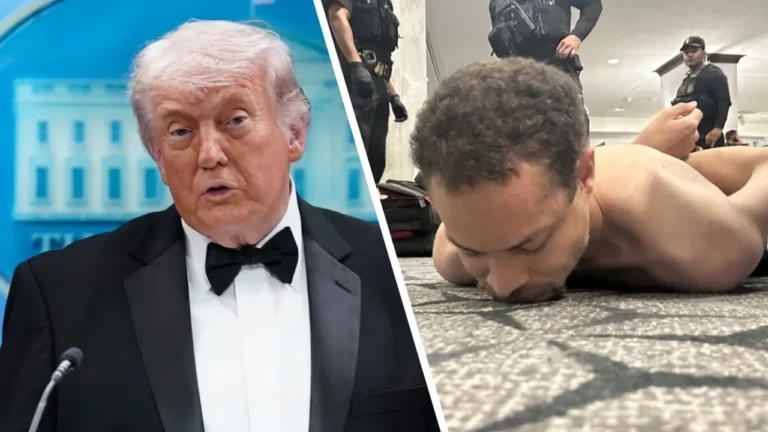
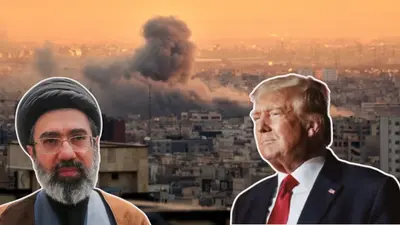
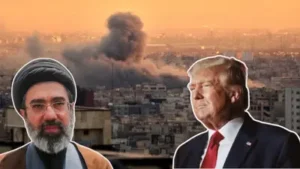
U.S. and Israeli officials described the strikes as an effort to decapitate Iran’s leadership and weaken its capacity to wage war. In televised statements, U.S. President Donald Trump hailed the outcome as a major strategic achievement and framed it as a chance for the Iranian people to change their country’s direction. Israeli leaders, including Prime Minister Benjamin Netanyahu, lauded the attack as a blow against those they see as active threats to Israel’s security.
However, reactions around the world have been sharply divided.
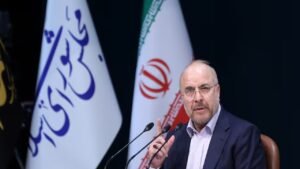
Iranian government figures condemned the attacks as a blatant violation of sovereignty and international law, with President Masoud Pezeshkian declaring that avenging Khamenei’s death was “a legitimate duty and right” for the nation. Iranian authorities have already signalled possible retaliation, and the scale of any such response remains uncertain.
International responses have been equally stark. Russian President Vladimir Putin denounced the killing as a “cynical murder” that breaches basic norms of human morality and international law, offering condolences to Tehran while hinting at strategic unease over the region’s future.
The death of Ayatollah Khamenei marks a historic turning point in Middle Eastern geopolitics. As Iran’s supreme leader since 1989, he wielded ultimate authority over the nation’s military, political and religious institutions. His tenure was defined by confrontational policies toward the West, sustained support for proxy groups across the region, and repeated crackdowns on internal dissent.
Across Iran, news of Khamenei’s death has reverberated widely — from state media’s official announcements of “martyrdom” to the somber scenes of mourning that are spreading among supporters of the regime. At the same time, persistent tensions and violence have erupted across the wider Middle East, with fears that a broader regional war could unfold if diplomatic avenues fail to restrain further escalation. Analysts warn that the power vacuum in Tehran, combined with retaliatory rhetoric from Iranian leaders, could destabilize an already volatile region for months or even years to come.