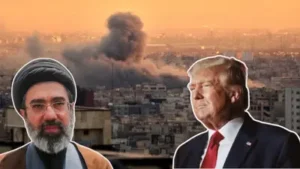
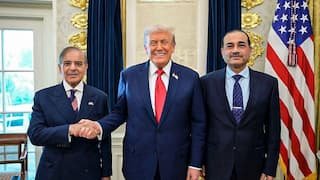
New Delhi, February 28, 2026 — U.S. President Donald Trump offered strong words of support for Pakistan’s leadership on Friday, describing Prime Minister Shehbaz Sharif and Army Chief Asim Munir as “great leaders” as tensions flare between Islamabad and the Taliban-led government in Afghanistan. Trump also signalled that Washington will not intervene militarily in the escalating conflict, even as Pakistan declares an open state of war and launches strikes across the border.
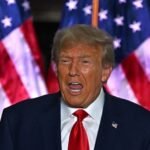
Speaking to reporters, Trump was asked whether the United States might step in to halt the violence. He responded that he has “great respect” for Pakistan’s leadership and that he would consider intervention only if absolutely necessary — adding that Pakistan already has capable figures at its helm. “They have a great prime minister, a great general,” Trump said. “Pakistan is doing terrifically well.”
Pakistan’s military earlier this week intensified its operations against the Afghan Taliban, claiming it struck 29 locations inside Afghanistan, including strategic sites near Kabul and Kandahar. The country’s Defence Ministry says it has killed nearly 300 Taliban fighters — the most significant military action since the Taliban took power in 2021 following the U.S. withdrawal. Afghan officials, however, reported that 55 Pakistani soldiers were killed and that several were captured during clashes.
A spokesperson for the U.S. State Department reiterated that Washington continues to support Pakistan’s “right to defend itself” from insurgent attacks, while also urging both sides to exercise restraint. This approach marks a shift from earlier years under the Biden administration, when relations between Washington and Islamabad cooled over strategic disagreements.
On the ground in Pakistan, Prime Minister Shehbaz Sharif has echoed the country’s firm stance on defending its territory. Islamabad’s rhetoric has grown increasingly assertive, reflecting domestic pressure and national security priorities. Meanwhile, international voices — including Britain and China — have called for de-escalation and a return to diplomatic engagement to avoid a wider humanitarian crisis.
Trump’s remarks come at a tense moment in South Asia, as regional and global powers weigh the implications of the conflict not just for security, but for the broader geopolitical balance. The United States’ public backing of Pakistan’s leadership reinforces long-standing ties between the two nations, even as many foreign governments call for an end to hostilities.