



GENEVA – As the fourth anniversary of Russia’s invasion looms, a high-stakes round of peace talks in Switzerland concluded Wednesday with a familiar sense of deadlock. While negotiators from Kyiv and Moscow signaled that technical progress had been made on a potential ceasefire, the core question that has defined the war—who controls the land—remains as contentious as ever.
The two-day, U.S.-mediated summit, held at the InterContinental Hotel, was an attempt to find a middle ground in a conflict that has devastated Ukraine and reshaped global security. However, the sessions ended abruptly on Wednesday after just two hours, a sharp contrast to the grueling six-hour discussions the day before.
Progress on the “Mechanics,” Not the Map
Ukrainian President Volodymyr Zelenskyy offered a sober assessment of the proceedings. In a message to journalists, he acknowledged that while “some groundwork has been done,” the two sides remain fundamentally at odds.
The most significant achievement appears to be an emerging consensus on a ceasefire monitoring mechanism. Zelenskyy noted that both sides had reached a near-agreement on how a truce would be policed, confirming that the United States would play a direct role in that process.
But the “sensitive issues”—specifically the fate of occupied regions in the east and the status of the Zaporizhzhia Nuclear Power Plant—remain unresolved. Russia continues to demand full control of the Donetsk region, a condition Kyiv views as a non-starter.
Pressure from Washington
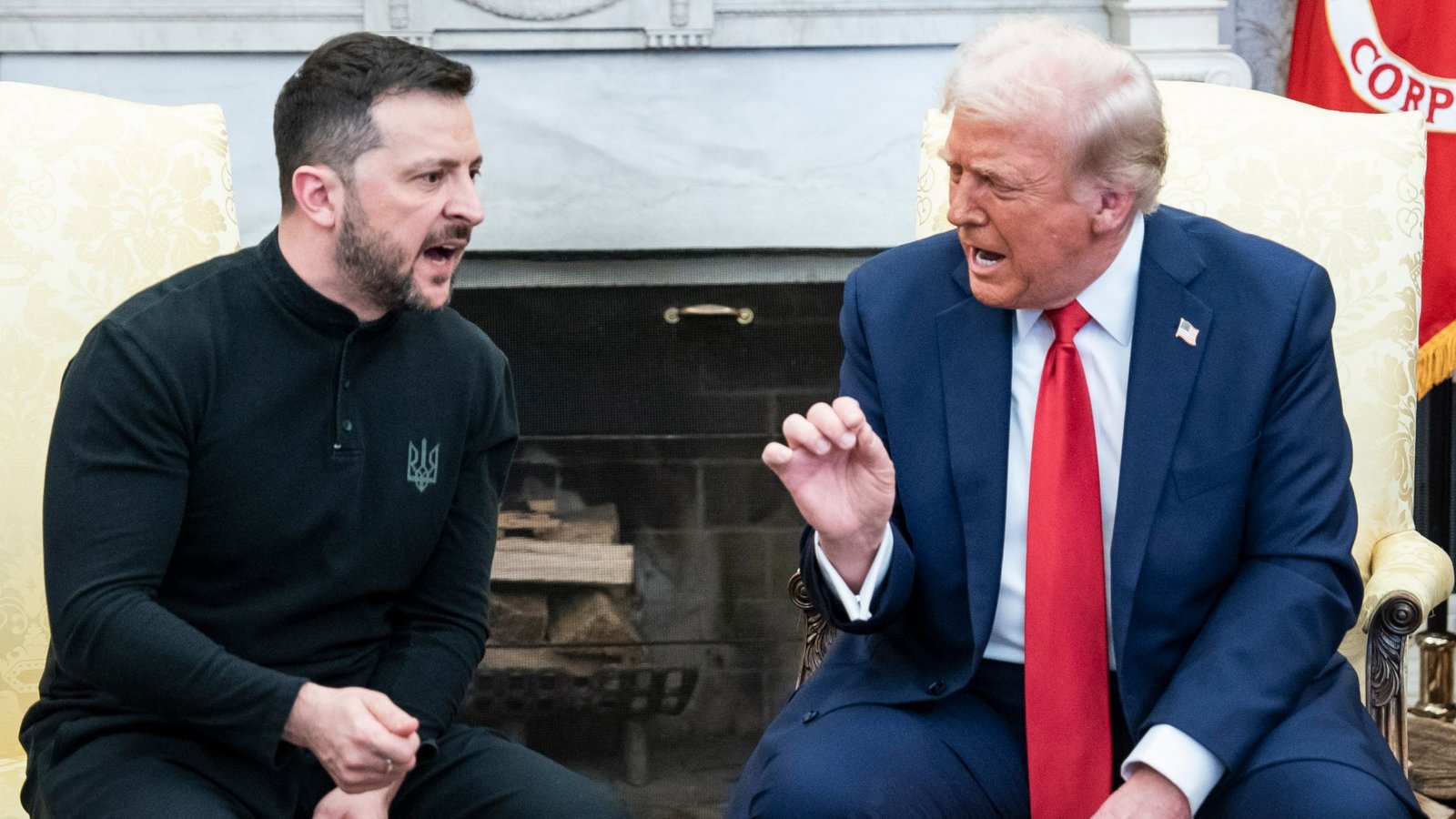
The talks were held under the shadow of a changing political landscape in Washington. U.S. President Donald Trump has been vocal about his desire for a swift end to the war, recently telling reporters that “Ukraine better come to the table fast.”
Zelenskyy, however, pushed back against the public pressure, describing it as “not fair” that Kyiv is being asked for concessions while Moscow continues its offensive. In an interview earlier this week, he warned that any deal requiring Ukraine to hand over territory not currently held by Russia would be rejected by the Ukrainian people in a referendum.
“Peace wouldn’t be achieved if victory is just handed to Moscow,” Zelenskyy said.
Battlefield Realities
On the ground, the diplomacy in Geneva felt worlds away from the front lines. Even as negotiators sat across from one another, Russia launched a massive wave of drone and missile strikes. In the city of Zaporizhzhia, local authorities reported that a drone strike killed a woman and injured two young children just hours after the first day of talks concluded.
Despite the lack of a breakthrough, neither side is walking away entirely. Russia’s lead negotiator, Vladimir Medinsky, described the talks as “difficult but business-like,” and both delegations confirmed that another round of negotiations is being planned.
For now, the diplomatic “groundwork” exists only on paper, while the reality of the war continues to be written in the ruins of eastern Ukraine