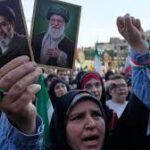



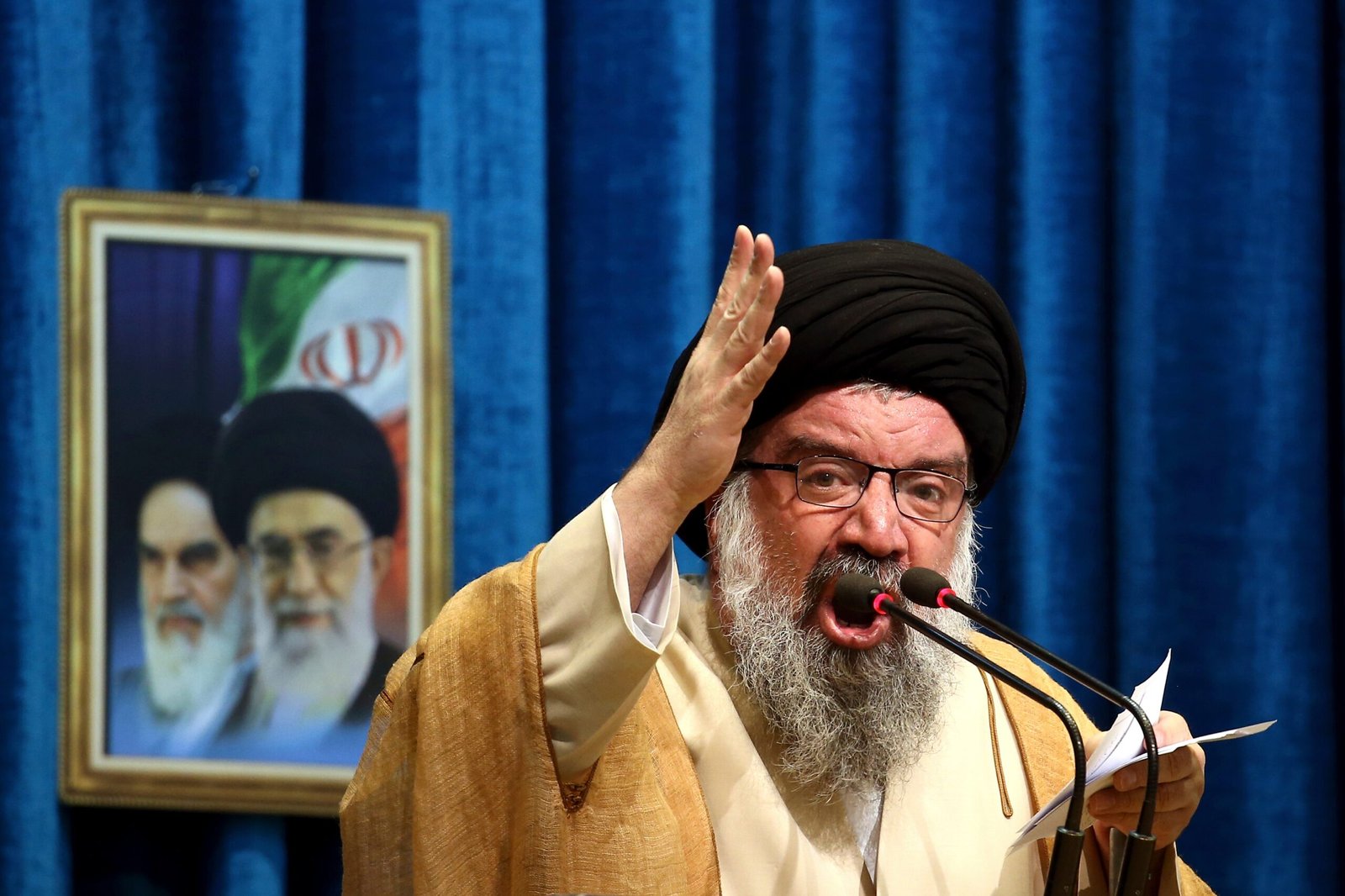
Iran’s Supreme Leader Ayatollah Ali Khamenei admitted for the first time that thousands of people were killed amid the ongoing anti-government protests in the country that have been raging on for the last two weeks
Iran’s Supreme Leader Ayatollah Ali Khamenei admitted for the first time that thousands of people were killed amid the ongoing anti-government protests in the country that have been raging on for the last two weeks. He also acknowledged that some of these killings have been “inhuman” and were conducted in a “savage manner”.
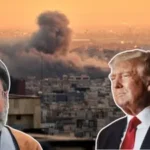
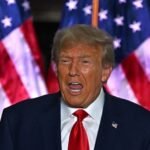
In a speech on Thursday, Khamenei said that thousands of people had been killed, “some in an inhuman, savage manner”, and went on to blame the United States for the high death toll. The Iranian supreme leader slammed US President Donald Trump and called him a “criminal” for supporting the demonstrations in the country. He also called for the strict punishment of protesters.
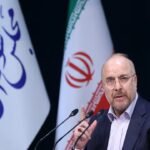
“By God’s grace, the Iranian nation must break the back of the seditionists just as it broke the back of the sedition,” Khamenei said on Thursday. Apart from this, the Iranian authorities released a compilation of footage on Saturday that purported to show armed individuals carrying guns and knives alongside regular protesters – evidence, they said, of foreign saboteurs.
More from World
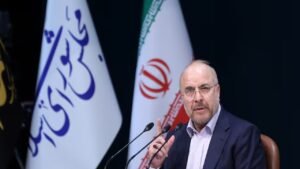
Amid the chaos, another senior Iranian cleric, Ahmad Khatami, called for the execution of protesters, demanding that “armed hypocrites should be put to death”. He described protesters as “butlers” and “soldiers” of Israel and the US, vowing that neither country should “expect peace”.
Trump had a different picture
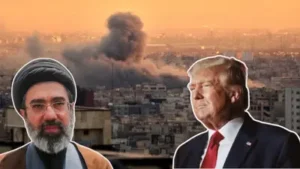
Interestingly, Khamenei’s remarks on the ongoing protests marked a stark contrast from the statements Trump made this week. He appeared to postpone a military strike in Iran, telling reporters that Iranian authorities had agreed to halt the executions of protesters. On Friday night, the American president even thanked Tehran for executing what he said were 800 protesters, though it was unclear where he was drawing those figures from.
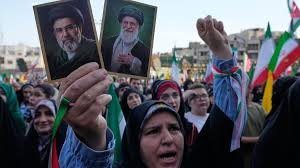
Meanwhile, human rights groups said that repression of protesters is continuing, with more than 3,090 people killed in the unrest and nearly 4,000 more cases still waiting to be reviewed. Other than this, over 22,100 people have been arrested in protests, leading to fears of mistreatment of detainees.
It is pertinent to note that the protest, which has been raging on for 2 and a half weeks, started on December 28, when traders took to the streets in Tehran in response to a sudden dip in the value of the rial. Protests soon started to spread across the country, and the demands expanded to include calls for an end to the country’s government, creating the most serious and deadliest unrest the country has seen since the 1979 revolution.
The brutal quashing of demonstrations by authorities, which Human Rights Watch said on Friday included the “mass killings of protesters”, has largely driven people off the streets. In his Friday sermon, Khatami claimed that 350 mosques, 126 prayer halls and 20 other places of worship had been damaged by protesters.
He also said 400 hospitals, 106 ambulances, 71 fire trucks and 50 other emergency vehicles had been damaged. It was unclear what the fallout of the protest movement would be, or if it would reignite in the coming days. As of now, Iran continues to remain cut off from the rest of the world as authorities maintain the more than week-long internet shutdown.