
Washington / Middle East, March 31, 2026 — The United States has signaled its intention to eventually reassert control over the strategically vital Strait of Hormuz, a key global oil route currently at the center of escalating tensions with Iran.
US Treasury Secretary Scott Bessent, speaking in a television interview, said Washington aims to restore “freedom of navigation” in the narrow waterway—either through American naval escorts or a broader multinational effort.
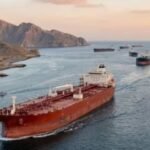
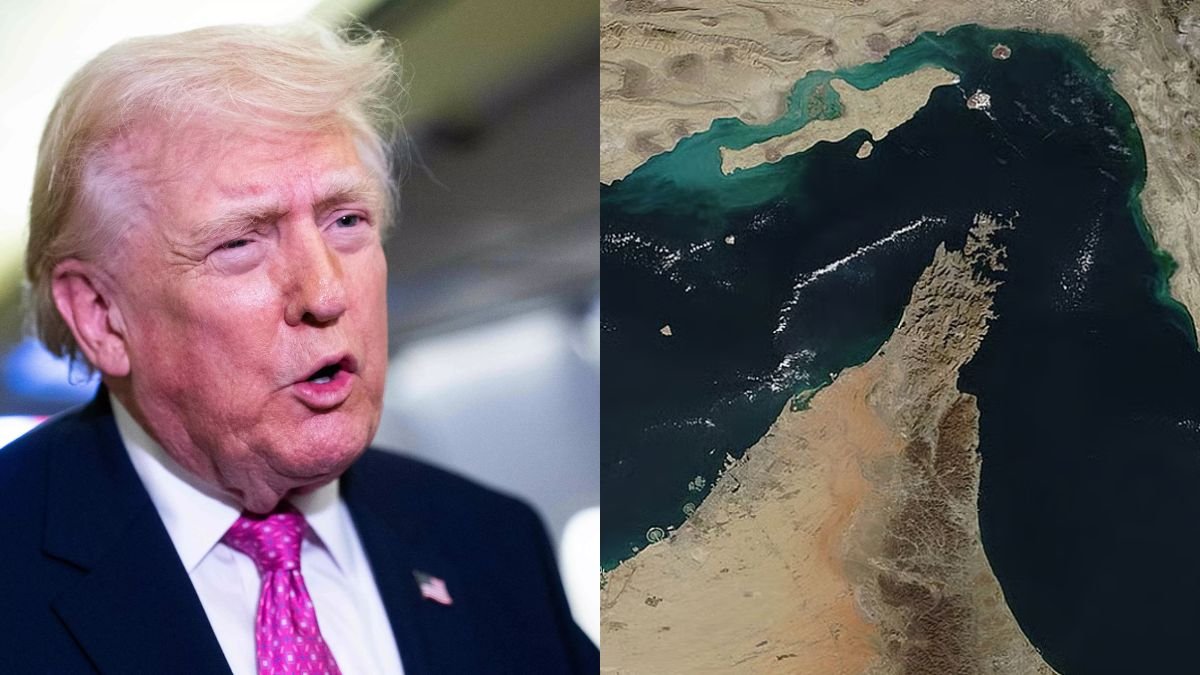
The Strait of Hormuz, which connects the Persian Gulf to the open ocean, is one of the world’s most critical energy chokepoints, carrying nearly a fifth of global oil supplies. Any disruption there has immediate ripple effects on global markets and energy prices.
Gradual Strategy, Not Immediate Takeover
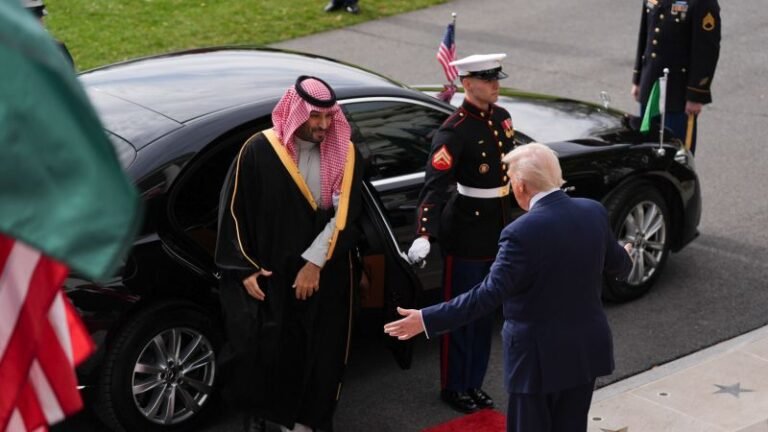
Bessent’s remarks suggest that the US is not planning an instant takeover but rather a phased approach. He noted that, for now, some countries are negotiating individual arrangements with Iran to allow ships to pass safely.
“Over time, the US is going to retake control of the straits,” Bessent said, emphasizing that increased ship movement is already being observed as temporary deals are struck.
Recent reports indicate that limited maritime traffic has resumed under such arrangements, though the situation remains volatile.
Backdrop: Ongoing Conflict With Iran
The statement comes amid a broader military and geopolitical confrontation between the United States, Israel, and Iran that has severely disrupted shipping in the region.
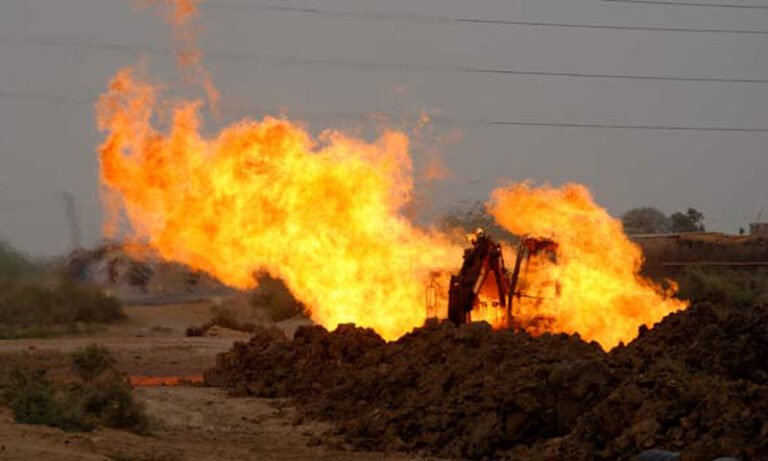
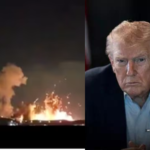
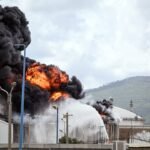
Since late February, Iran has effectively restricted access to the strait following US-led strikes, warning vessels against passage and targeting ships through drones and missiles. This led to a dramatic drop in tanker traffic and a sharp surge in global oil prices.
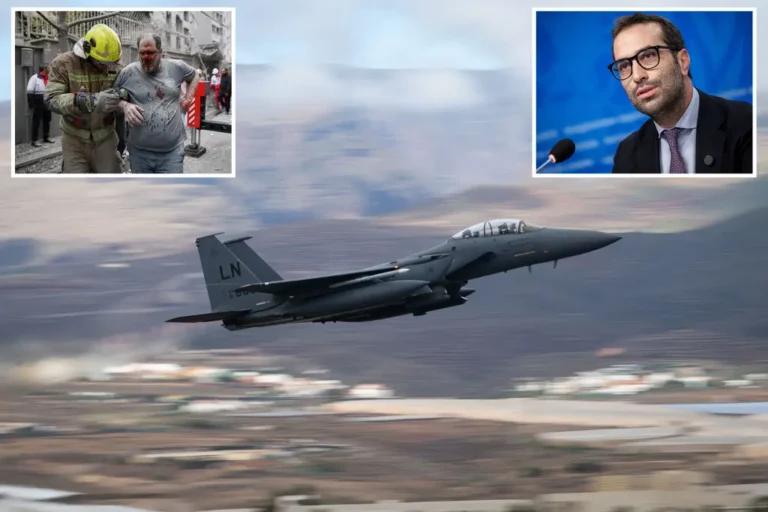
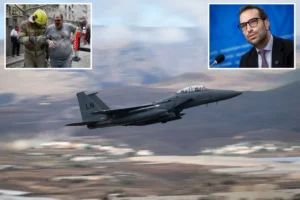
US officials say military operations have already weakened Iran’s naval and missile capabilities. Secretary of State Marco Rubio recently claimed that Washington would not allow Iran to maintain long-term control over the waterway.
Global Stakes and Economic Impact
The stakes are high not just for the region but for the entire world. The Strait of Hormuz is a lifeline for energy exports from major oil producers in the Middle East, and prolonged disruption could deepen inflationary pressures globally.
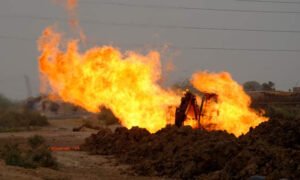
Oil prices have already surged in recent weeks as tensions escalated, with fears of supply shortages and shipping risks driving market volatility.
Despite these concerns, US officials maintain that global oil supplies remain relatively stable for now, though long-term risks persist if the crisis continues.
What Comes Next
While Washington’s plan to “retake control” signals a strong strategic intent, it also raises questions about how such a move would unfold—and whether it could further escalate the conflict.
Analysts say a multinational escort system could be the most likely path forward, allowing ships to move under military protection without a full-scale occupation of the waterway.
For now, the situation remains fluid, with diplomacy, military strategy, and global economic concerns all tightly intertwined in one of the world’s most sensitive geopolitical flashpoints.