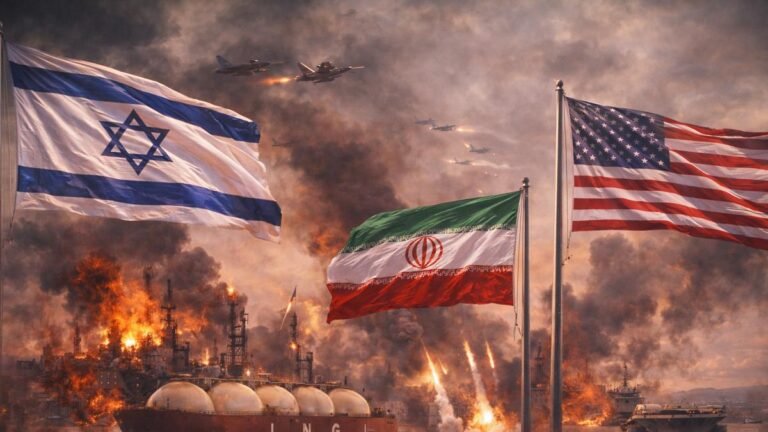
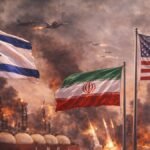



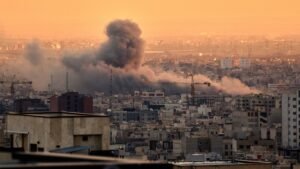

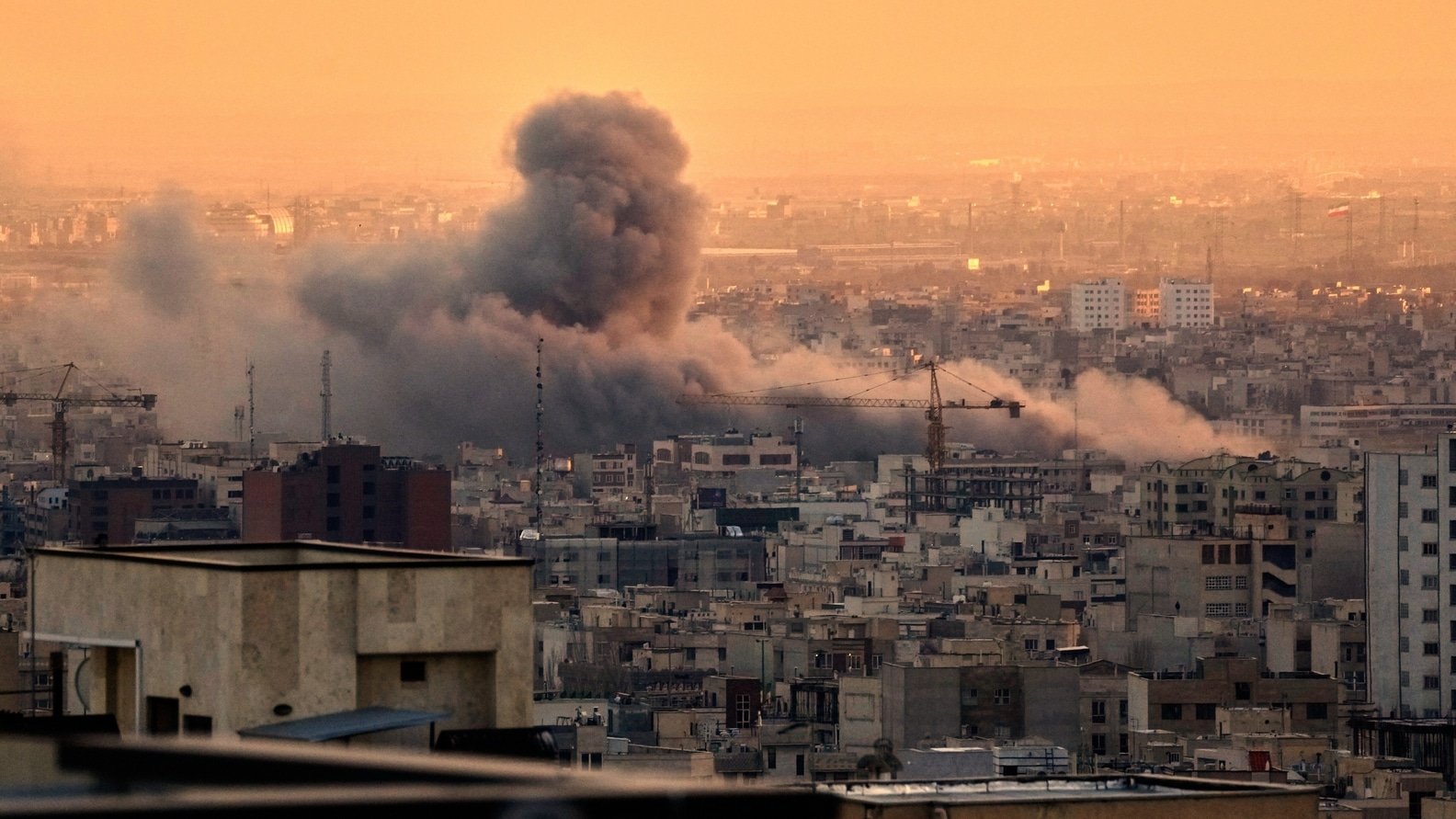
The United States has carried out strikes on more than 2,000 targets inside Iran since the start of its latest military campaign, signaling a major escalation in the rapidly intensifying conflict in the Middle East.
According to US military officials, the large-scale bombardment began as part of coordinated operations with Israel aimed at crippling Iran’s military infrastructure, missile capabilities, and naval assets. American commanders say the campaign is far from over, warning that the current wave of attacks is only the beginning.
Massive Air Campaign
US Central Command confirmed that American forces have struck nearly 2,000 targets across Iran within roughly the first 100 hours of the operation. The strikes have used thousands of munitions, targeting missile launch sites, drone facilities, air defense systems, and military bases.
Admiral Brad Cooper, who oversees US operations in the region, said the strikes have already significantly weakened Iran’s defensive capabilities.
“We’ve already struck nearly 2,000 targets with more than 2,000 munitions,” Cooper said, adding that Iranian air defenses have been “severely degraded” and that hundreds of ballistic missiles and launchers have been destroyed.
The scale of the assault has drawn comparisons to the US “shock and awe” campaign during the 2003 invasion of Iraq, with officials suggesting that the initial phase of the current operation was even larger.
“We’ve Just Begun,” Says US Defense Chief
Despite the intensity of the strikes so far, US officials have indicated that the military campaign is expected to expand further.
Speaking at a press briefing, US Defense Secretary Pete Hegseth said the operation is designed to dismantle Iran’s military capabilities and prevent it from developing nuclear weapons.
“We have only just begun,” Hegseth said, adding that additional waves of attacks are likely as the operation continues.
He emphasized that the campaign’s primary goals include destroying missile and drone facilities, neutralizing Iran’s naval forces, and disrupting any pathways toward nuclear weapon development.
More bombers and fighter aircraft have reportedly been deployed to the region to support the ongoing offensive.
Israeli Strikes Intensify
Israel has also continued launching its own air raids across Iranian territory, hitting several strategic sites. The coordinated strikes between the US and Israel have dramatically increased pressure on Tehran and widened the conflict.
The attacks reportedly began late February when Israel initiated large-scale strikes, which were quickly followed by American military involvement.
Military analysts say the joint operations represent one of the largest coordinated campaigns against Iran in modern history.
Iran Responds With Retaliatory Attacks
Iran has responded with a series of retaliatory actions across the region. Reports indicate that Iranian drones and missiles have targeted US-linked facilities and assets in several Middle Eastern countries.
Some attacks reportedly struck areas near American diplomatic and intelligence facilities in Gulf states, while others targeted shipping and strategic sites in the region.
The retaliatory strikes have raised concerns that the conflict could expand into a broader regional war involving multiple countries.
Growing Civilian Concerns
As the military campaign intensifies, humanitarian concerns are also mounting. Rights groups have reported hundreds of civilian casualties during the first days of the bombardment, though exact numbers remain difficult to verify.
Some reports claim that more than 1,000 civilians may have been killed during the initial wave of strikes, including children, though independent verification remains ongoing.
International organizations and several governments have called for restraint and urged all sides to prevent further escalation.
Strategic Stakes in the Region
The conflict has also heightened tensions around the Strait of Hormuz, a vital global shipping route through which a large portion of the world’s oil supply passes.
Security analysts warn that any disruption to this narrow waterway could have significant economic consequences worldwide, potentially affecting energy prices and global trade.
Meanwhile, the escalating confrontation has triggered emergency measures across the region, including the evacuation of some US personnel from embassies and military facilities.
Uncertain Path Ahead
With the United States signaling that the operation is still in its early stages, the situation remains highly volatile. Military officials say further strikes are likely in the coming days as Washington and its allies attempt to weaken Iran’s military infrastructure.
However, Iran’s ongoing retaliatory attacks suggest the conflict could continue to intensify, raising fears of a wider regional war.
For now, the Middle East stands on edge as the confrontation between the United States, Israel, and Iran enters a dangerous new phase with no immediate resolution in sight.