










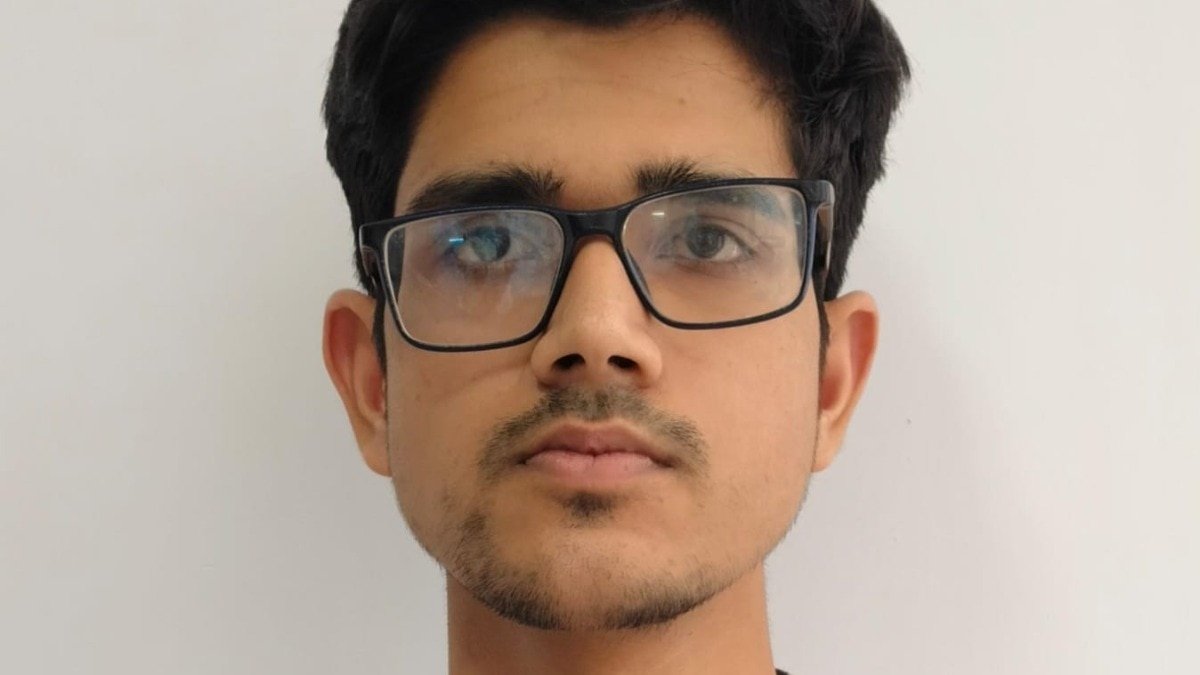
In a significant counter-terror operation, the Uttar Pradesh Anti-Terrorism Squad (ATS) has arrested a 19-year-old dentistry student for allegedly being part of an online radicalisation module linked to the banned terrorist organisation ISIS.
The accused, identified as a second-year Bachelor of Dental Surgery (BDS) student from Saharanpur, was apprehended in Moradabad following intelligence inputs about suspicious online activities. According to officials, the arrest comes after weeks of surveillance and investigation into digital networks suspected of spreading extremist ideology.
Online Network Used for Recruitment
ATS officials revealed that the student was actively involved in operating an online module aimed at radicalising youth and recruiting new members. The network reportedly functioned through social media platforms like Instagram as well as encrypted messaging applications, allowing members to communicate discreetly.
Investigators say the accused used multiple anonymous accounts and virtual private networks (VPNs) to conceal his identity while circulating extremist content. This included propaganda videos, ideological literature, and speeches glorifying militants associated with ISIS.
Links to International Handlers
During preliminary interrogation, authorities found that the student was allegedly in contact with ISIS-linked handlers based outside India, including individuals in Pakistan and other regions. These connections were reportedly used to coordinate activities and expand the reach of the online module.
Officials further stated that the accused was part of a broader conspiracy aimed at promoting a radical ideology and encouraging the establishment of a global caliphate governed by strict religious laws.
Creation of Dedicated Propaganda Group
To strengthen the network’s presence in India, the student is said to have created a group named “Al Ittihad Media Foundation.” This group allegedly served as a hub for distributing ISIS propaganda and engaging with potential recruits.
Authorities also noted that he closely followed official ISIS media channels and regularly shared their content with members of his online groups.
Encouraging Extremist Activities
Investigators claim that the accused not only spread propaganda but also attempted to motivate members of his groups to participate in violent activities, including so-called “fidayeen” (suicide) attacks.
During questioning, he reportedly expressed support for extremist ideology and rejected democratic systems, aligning himself with the core objectives of ISIS.
Legal Action and Ongoing Probe
A case has been registered under relevant sections of the Bharatiya Nyaya Sanhita (BNS) and the Unlawful Activities (Prevention) Act (UAPA), which deals with terrorism-related offences.
The accused has been produced before a court, and further legal proceedings are underway. Meanwhile, ATS officials have expanded their investigation to identify other individuals who may be connected to the online network.
Growing Concern Over Digital Radicalisation
This case highlights the increasing use of digital platforms by extremist organisations to target young individuals. Security agencies have repeatedly warned about the role of encrypted apps and social media in facilitating covert recruitment and ideological indoctrination.
Authorities say they are continuing efforts to track and dismantle such networks, emphasising the need for vigilance in monitoring online spaces.