



In a significant escalation of the ongoing conflict between the United States and Iran, U.S. forces have carried out a powerful airstrike targeting a large ammunition depot in the central Iranian city of Isfahan, according to American officials.
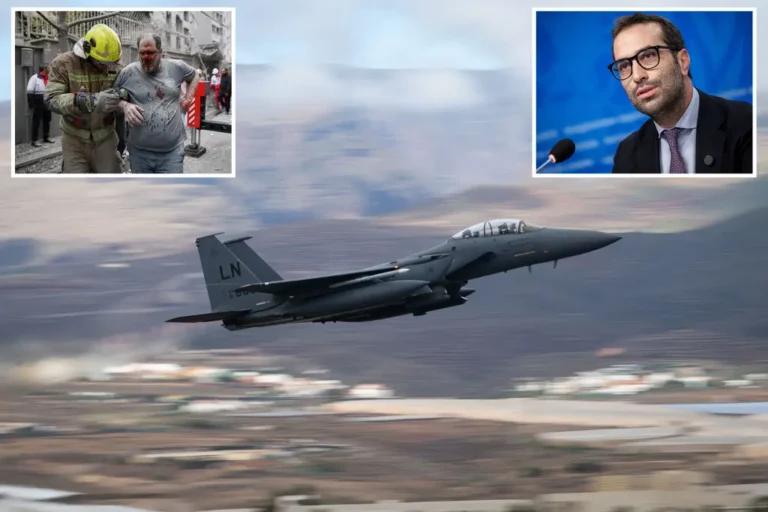
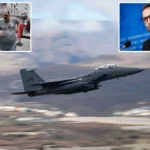
The strike reportedly involved the use of heavy “bunker-buster” bombs—2,000-pound penetrator munitions designed to destroy fortified or underground targets. Officials indicated that a substantial number of these weapons were deployed, suggesting the target was considered both hardened and strategically important.
Explosions Light Up the Night Sky
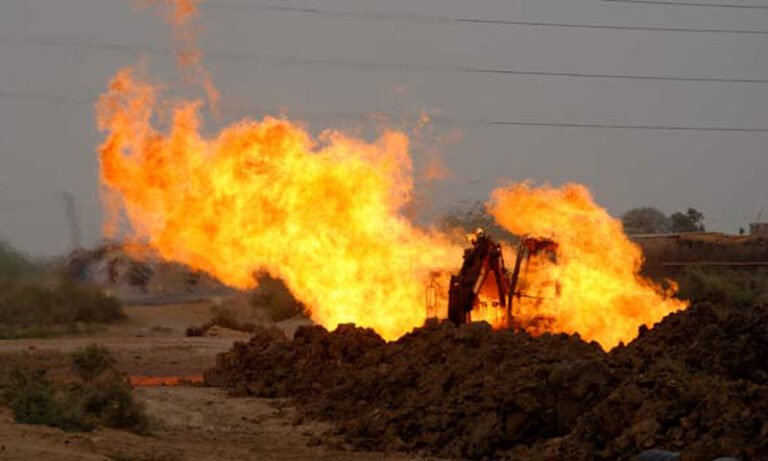
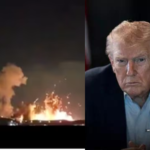
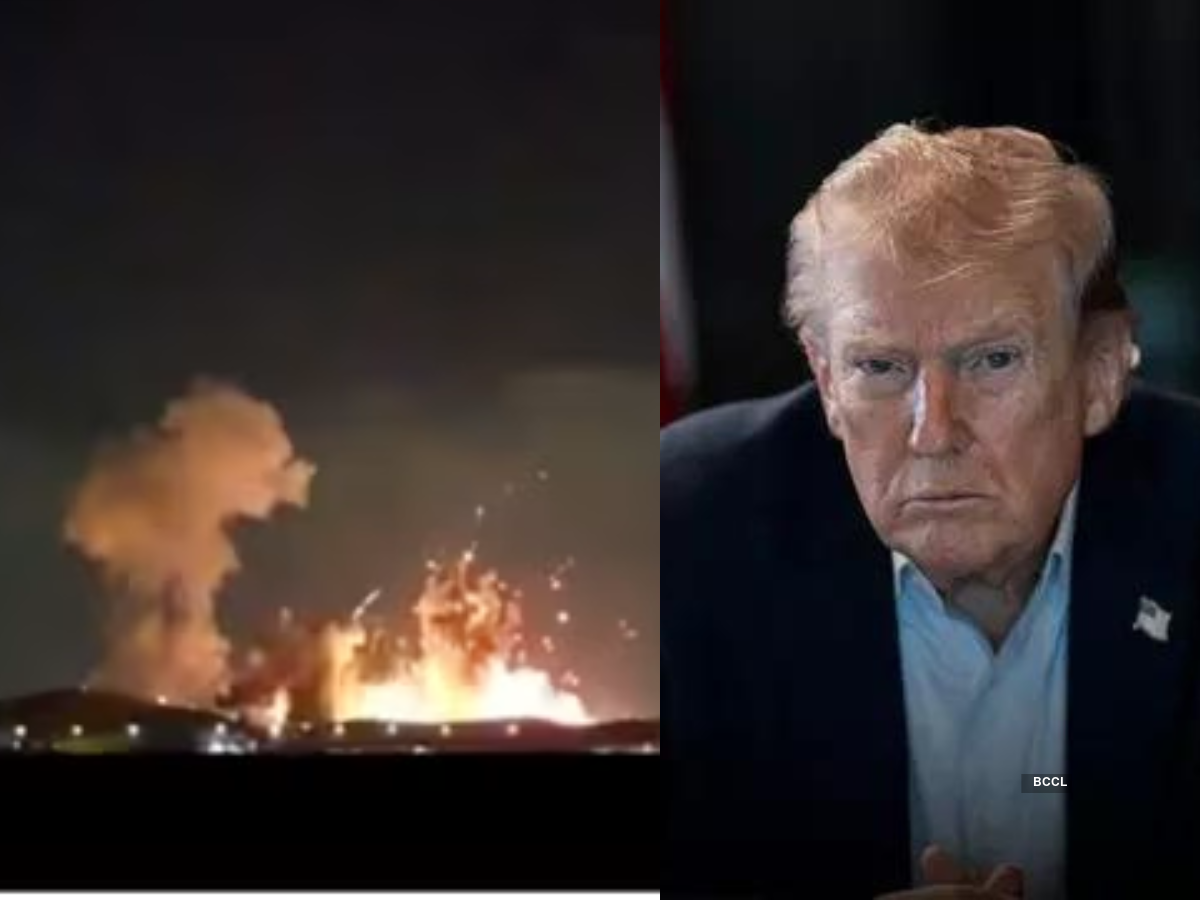
Footage shared publicly by U.S. President Donald Trump showed a series of massive explosions illuminating the night sky over Isfahan. While the authenticity of the video has not been independently verified, reports from multiple sources described powerful secondary blasts following the initial strike—likely caused by stored ammunition detonating.
Witness accounts cited in media reports described fireballs and shockwaves rippling across the area, underscoring the scale of the attack. The targeted depot is believed to be part of Iran’s broader military infrastructure, with Isfahan long considered a critical hub due to its proximity to key defense and nuclear-related facilities.
Part of a Broader Military Campaign
The Isfahan strike is not an isolated incident but part of a wider U.S.-led campaign aimed at weakening Iran’s military capabilities. According to officials, American forces have struck thousands of targets over the past month as the war has intensified.
The conflict itself began earlier this year amid rising tensions over Iran’s nuclear program and regional influence. Since then, it has evolved into a broader confrontation involving not only military installations but also energy infrastructure and strategic assets across the Middle East.
Growing Fears of Escalation
The latest strike is expected to further heighten tensions in an already volatile region. Analysts warn that repeated high-impact attacks—particularly on strategic cities like Isfahan—could provoke stronger retaliation from Iran and widen the scope of the conflict.
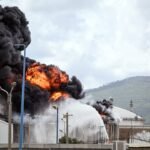
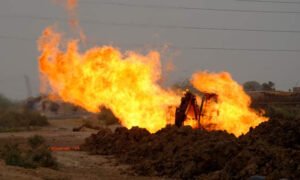
Recent weeks have seen a shift toward tit-for-tat strikes, with both sides targeting not just military sites but also energy facilities and critical infrastructure. This has raised concerns about global economic fallout, especially disruptions to oil supply routes in the Persian Gulf.
Uncertain Path Ahead
Despite the intensifying military exchanges, diplomatic efforts have not completely ceased. Regional and global powers continue to push for negotiations, though progress remains uncertain amid ongoing hostilities.
For now, the strike on Isfahan marks another dramatic chapter in a rapidly evolving conflict—one that shows little sign of slowing and carries significant implications for regional stability and global security.