
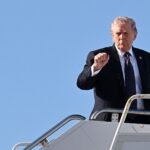



Washington, D.C., March 6, 2026 — U.S. President Donald Trump has stirred fresh international debate after suggesting that the United States could turn its attention to Cuba once the ongoing conflict with Iran is resolved. His remarks come at a time when tensions in the Middle East remain high and Washington’s foreign policy strategy is under intense global scrutiny.
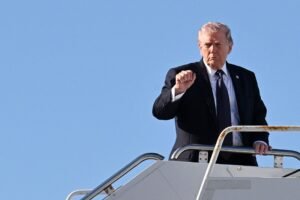
Speaking during an event at the White House, Trump indicated that the administration’s immediate priority is the conflict involving Iran, but hinted that future U.S. actions could extend beyond the Middle East.
“We want to finish this one first,” Trump said, referring to the war with Iran. “But that will be just a question of time before you and a lot of unbelievable people are going to be going back to Cuba.”
The statement quickly attracted attention worldwide, raising questions about Washington’s broader geopolitical plans and whether the United States could increase pressure on Havana in the coming months.
Context: Escalating Conflict With Iran
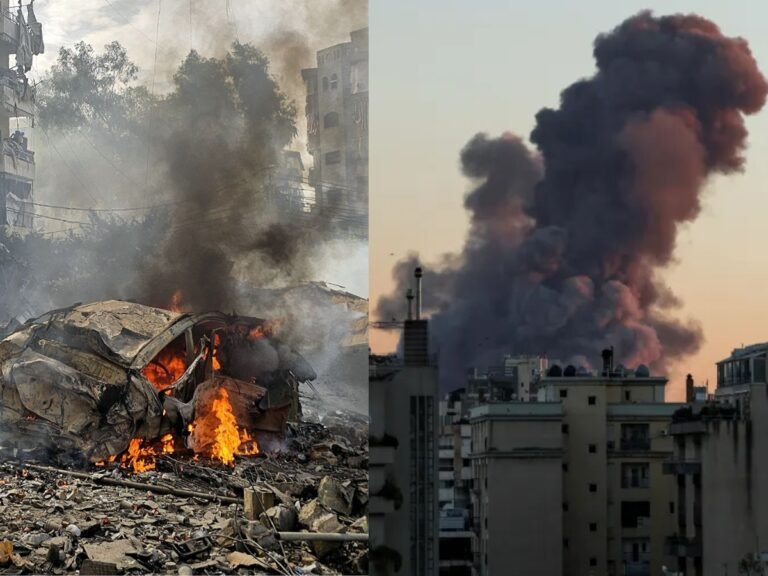
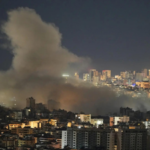
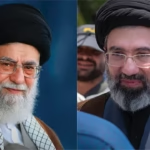
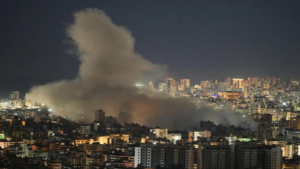
Trump’s comments come amid a deepening confrontation involving Iran and U.S. allies in the region. The administration has portrayed its military campaign as necessary to counter threats posed by Tehran and to weaken the Iranian leadership.
According to officials in Washington, U.S. and allied forces have continued operations aimed at dismantling Iran’s military capabilities and strategic infrastructure. Trump has repeatedly expressed confidence that the campaign will achieve its objectives.
Analysts warn, however, that the conflict risks further destabilizing the region. Critics in the United States and abroad have questioned the long-term strategy, including what political outcome Washington expects once military operations conclude.
Trump Hints at Future Focus on Cuba
During the same remarks, Trump suggested that Cuba could become a major focus of U.S. policy after the Iran conflict. He claimed that the Cuban government is eager to negotiate with Washington.
“Cuba wants to make a deal so badly,” Trump said, adding that many Cuban Americans might eventually return to the island.
While the president did not outline specific actions, some analysts interpreted the statement as a signal that the administration could intensify pressure on Havana. That pressure could include expanded economic sanctions or support for political change within the country.
The suggestion comes as Cuba faces severe economic challenges and energy shortages, problems that critics say have been exacerbated by U.S. sanctions and restrictions on oil supplies.
Rising Tensions in the Western Hemisphere
Relations between the United States and Cuba have remained strained for decades, marked by economic embargoes and periodic diplomatic standoffs. Trump’s latest comments have revived speculation about whether Washington may seek a more aggressive approach toward the Cuban government.
Experts note that the geopolitical context has changed significantly in recent years. The United States has tightened sanctions and pursued policies aimed at weakening Havana’s leadership, while Cuba has struggled with a worsening economic crisis and shortages of fuel and electricity.
Some observers believe the administration could frame increased pressure on Cuba as part of a broader campaign against governments it considers hostile or aligned with U.S. adversaries.
International Reaction and Concerns
Trump’s remarks have drawn concern from analysts and foreign policy observers who warn that expanding U.S. confrontations could increase global instability.
Critics argue that discussing future targets while an active conflict continues may complicate diplomatic efforts and heighten tensions with other nations. Supporters of the administration, however, say the president is signaling a strong stance against governments viewed as threats to U.S. interests.
Diplomatic reactions from both Iran and Cuba have been cautious but critical, with officials in both countries accusing Washington of pursuing aggressive policies and interfering in sovereign affairs.
What Comes Next?
For now, the White House maintains that its immediate priority remains the conflict with Iran. Trump has not announced any concrete policy changes regarding Cuba, leaving analysts to debate whether his remarks represent a strategic plan or simply political rhetoric.
Still, the comments highlight how quickly geopolitical focus could shift once the Iran conflict evolves. If Washington does turn greater attention toward Cuba, it could open a new chapter in already tense U.S.–Cuba relations.
As the situation develops, global observers will be watching closely to see whether Trump’s remarks translate into policy — or remain part of the political messaging surrounding the administration’s foreign policy agenda.