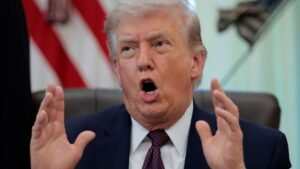


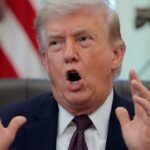





Washington, D.C.: In a high-stakes national address, U.S. President Donald Trump sought to reassure Americans and the international community about the ongoing conflict involving Iran and Israel, describing the war as approaching a while also warning of further military action if necessary.
War “Nearing Completion,” Says Trump
Speaking from the White House, Trump said that key U.S. military objectives in Iran had largely been achieved after weeks of intense fighting. He emphasized that American forces were close to “finishing the job,” portraying the campaign as a strategic success aimed at neutralizing Iran’s military and nuclear capabilities.
However, the President did not provide a clear timeline for ending the conflict, nor did he outline a detailed exit strategy—leaving analysts and allies uncertain about the next steps.
Strong Warnings to Iran
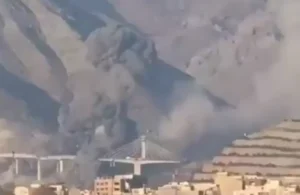
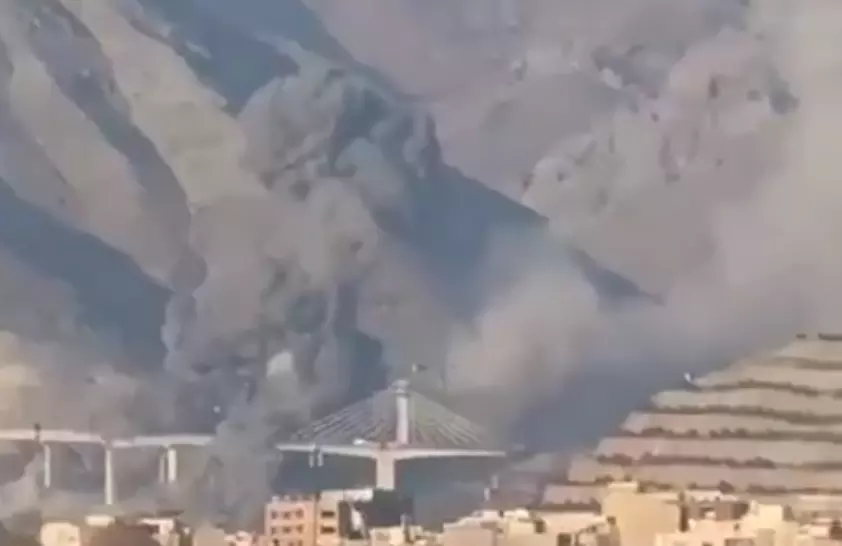
Despite his optimistic tone, Trump coupled his remarks with sharp warnings. He signaled that the U.S. could escalate attacks, including potential strikes on Iran’s infrastructure such as energy facilities and transport networks, if Tehran fails to comply with American demands.
He also reiterated that Iran must abandon any ambitions related to nuclear weapons, framing the war as a preventive measure for global security.
Coordination With Israel
Trump underscored close coordination with Israel during the conflict, even claiming that Israeli military actions would align with U.S. direction. His remarks highlighted Washington’s dominant role in shaping the course of the war and its partnership with Israeli leadership.
Economic and Global Impact
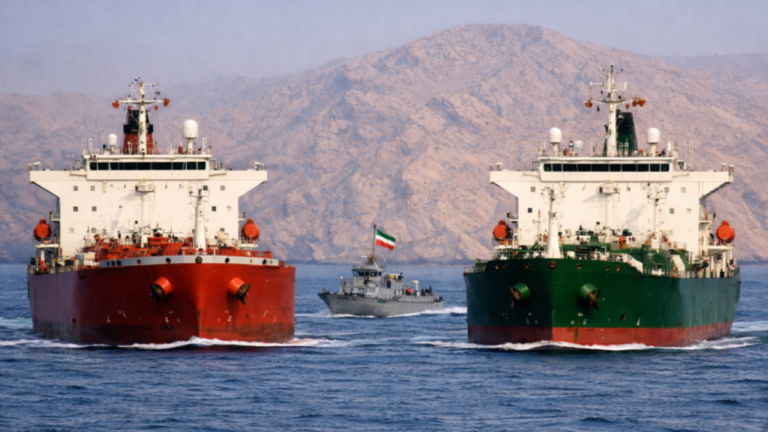
The speech came amid rising global concern over the economic fallout of the conflict. Oil prices have surged and financial markets have shown volatility, largely due to disruptions around the strategically crucial Strait of Hormuz.
At home, Americans are feeling the impact through higher fuel costs, adding to political pressure on the administration.
Mixed Reactions at Home and Abroad
While Trump projected confidence, the address did little to silence critics. Lawmakers and international observers have questioned the lack of a clear long-term plan, warning that continued escalation could deepen instability in the Middle East.
Public opinion in the United States has also shown signs of fatigue, with growing concern over the human and economic costs of the war.
A Conflict Still Unfolding
The Iran–Israel conflict, which began with coordinated U.S.–Israeli strikes earlier in 2026, has already caused significant casualties and regional disruption. Retaliatory actions by Iran have further intensified tensions, keeping the region on edge.
Conclusion
Trump’s address aimed to strike a balance between reassurance and resolve—projecting confidence in imminent success while keeping military pressure firmly on Iran. Yet, with no clear roadmap for peace and continued threats of escalation, the conflict remains far from fully resolved, leaving the world watching closely for what comes next.