




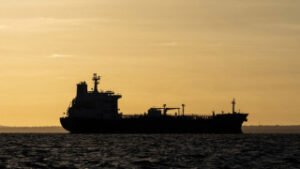
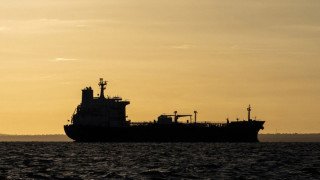
A Russian oil tanker is making its way toward Cuba, challenging a United States-imposed fuel blockade that has pushed the island nation into a deepening energy crisis and renewed geopolitical tensions reminiscent of the Cold War.
The tanker, identified as Anatoly Kolodkin, is carrying hundreds of thousands of barrels of crude oil and is expected to dock at Cuba’s Matanzas port. Its arrival could provide much-needed relief to a country that has been grappling with severe fuel shortages, prolonged blackouts, and disruptions to essential services.
A Lifeline for an Energy-Starved Nation
Cuba has been facing one of its worst energy crises in recent years after the United States tightened restrictions on oil supplies earlier in 2026. The measures effectively cut off shipments from key suppliers such as Venezuela and discouraged other countries from exporting fuel to the island.
As a result, daily life in Cuba has been severely affected. Public transportation has been reduced, hospitals have struggled to operate efficiently, and electricity outages have become routine. In this context, the Russian shipment is being seen as a crucial—if temporary—lifeline.
Experts estimate that the oil carried by the tanker could sustain Cuba’s energy needs for a limited period, offering brief relief but not a long-term solution to the crisis.
U.S. Blockade and Strategic Pressure
The U.S. blockade is part of a broader strategy aimed at pressuring the Cuban government toward political change. Washington has gone as far as threatening tariffs and sanctions on countries that continue to supply oil to Cuba, effectively isolating the island from global energy markets.
The policy has drawn criticism from analysts and international observers, who argue that such restrictions may violate international norms and disproportionately impact ordinary citizens rather than political leaders.
Despite the hardline stance, the U.S. appears to have stopped short of physically intercepting the Russian tanker. Analysts suggest that doing so could risk a direct confrontation with Russia, further escalating tensions at a time when global geopolitical rivalries are already strained.
Russia Steps In
Russia’s decision to send oil to Cuba underscores its continued support for the island nation and its willingness to counter U.S. influence in the region. Moscow has framed such shipments as humanitarian assistance, aimed at helping Cuba cope with its worsening crisis.
The move also highlights the strategic importance of Cuba in global geopolitics. Located just off the U.S. coast, the island has historically been a focal point of U.S.-Russia tensions, most notably during the Cuban Missile Crisis of 1962.
Echoes of the Past
The current standoff has drawn comparisons to Cold War-era rivalries, with both Washington and Moscow maneuvering carefully to avoid direct conflict while asserting their influence.
While the arrival of the Russian tanker may ease immediate pressure on Cuba, the broader crisis remains unresolved. With fuel shortages persisting and political tensions rising, the situation continues to evolve, raising questions about how far global powers are willing to go in their contest over influence in the region.