







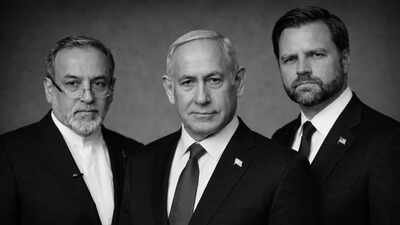
A high-stakes round of peace negotiations between the United States and Iran ended without a breakthrough after more than 21 hours of intense discussions, with a late intervention by Israeli Prime Minister Benjamin Netanyahu now emerging as a key point of controversy.
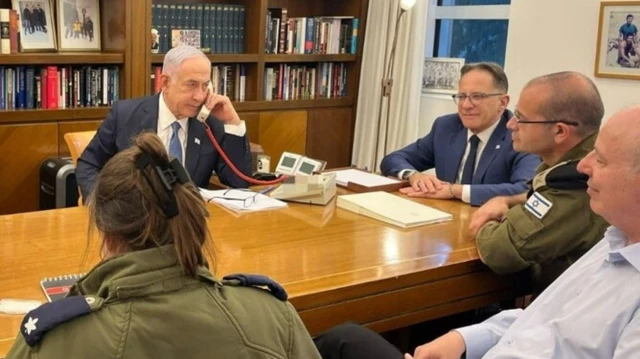
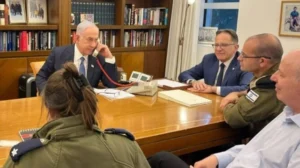
According to multiple reports, a phone call from Netanyahu to U.S. Vice President JD Vance during the negotiations may have significantly altered the course of the talks, which were being held in Pakistan’s capital amid a fragile ceasefire between the two adversaries.
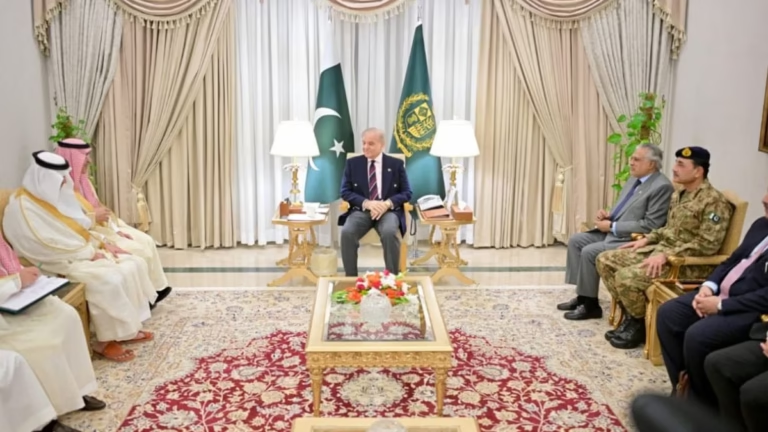
The negotiations marked one of the most direct and high-level engagements between Washington and Tehran in decades, taking place against the backdrop of a six-week conflict that has destabilized the region and raised global concerns over energy security and military escalation.
Talks Collapse After Marathon Session
The discussions, which stretched late into the night, ultimately ended in deadlock. Both sides quickly blamed each other for the failure. The United States insisted that Iran refused to meet key demands—particularly a firm commitment to abandon its nuclear weapons ambitions—while Iranian officials accused Washington of making excessive and unrealistic demands.
Key sticking points included uranium enrichment, control over the strategically vital Strait of Hormuz, sanctions relief, and regional security arrangements. Despite initial optimism, negotiators were unable to bridge deep-seated differences.
Netanyahu’s Intervention Raises Questions
Iranian officials have pointed to Netanyahu’s phone call as a turning point in the negotiations. According to Tehran, the conversation shifted the focus of the talks toward Israeli security concerns, potentially hardening the U.S. position at a critical moment.
Reports indicate that the call came while discussions were still ongoing, introducing new dynamics into an already complex negotiation process.
While there has been no official confirmation from Washington about the exact impact of the call, analysts suggest it underscores Israel’s continued influence on U.S. policy in the region—particularly when it comes to Iran.
Fragile Ceasefire at Risk
The collapse of the talks has cast serious doubt over the future of the two-week ceasefire that had temporarily halted hostilities. The truce, already described as fragile, now faces renewed uncertainty as both sides reassess their next steps.
The broader conflict, which began earlier this year with coordinated U.S. and Israeli strikes on Iran, has resulted in significant casualties and widespread destruction across the region.
With tensions still high and no immediate plans for further talks, fears are growing that the situation could quickly escalate once again.
Diplomatic Path Forward Unclear
Despite the setback, diplomatic channels are not entirely closed. Pakistan, which hosted the negotiations, has expressed hope that both sides may return to the table in the near future.
However, the failed talks highlight the immense challenges facing any potential agreement—especially with multiple regional players influencing the outcome and core disagreements remaining unresolved.
For now, the prospects of a lasting peace between the U.S. and Iran remain uncertain, with the shadow of geopolitical rivalries continuing to loom large over the region.