






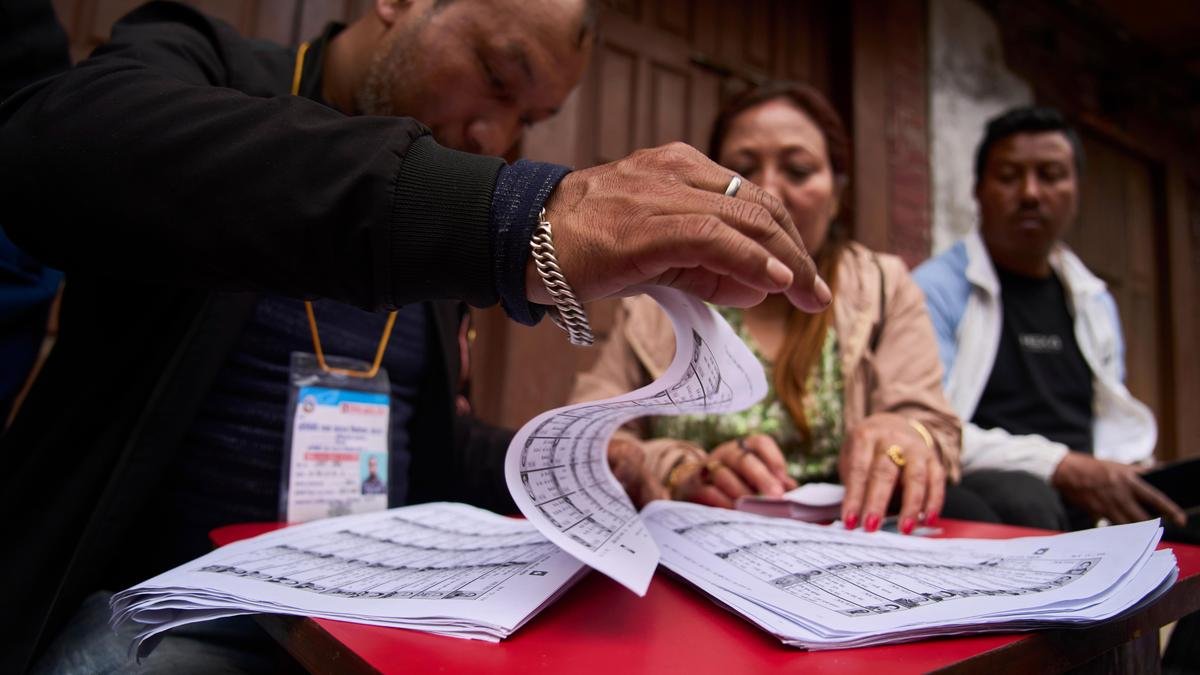
Kathmandu, Nepal — Vote counting is underway across Nepal following the country’s closely watched parliamentary elections, with early trends showing a strong performance by the relatively new Rastriya Swatantra Party (RSP). The results could significantly reshape the country’s political landscape after months of political unrest and youth-led protests.
The election, held on March 5, 2026, is the first national vote since widespread protests last year led to the collapse of the government led by former Prime Minister KP Sharma Oli. Millions of Nepalis went to the polls to elect members of the 275-seat House of Representatives, with nearly 18.9 million voters registered for the election.
Early Results Show Surge for RSP
Initial counting indicates that the Rastriya Swatantra Party, led by popular politician and former Kathmandu mayor Balendra “Balen” Shah, is performing strongly. Early trends show the party leading in more than 20 constituencies, far ahead of traditional rivals.
According to preliminary figures, the RSP is leading in around 23 seats, while the Nepali Congress and the Communist Party of Nepal (Unified Marxist–Leninist) (CPN-UML) are ahead in only a few constituencies each.
In one of the most closely watched contests, Balen Shah is currently leading former Prime Minister KP Sharma Oli in the Jhapa-5 constituency, a development that has drawn significant attention from political observers.
New Political Wave Driven by Youth
The rise of the RSP is widely seen as a reflection of growing dissatisfaction with Nepal’s traditional political parties. The movement gained momentum following the Gen-Z-led protests in 2025, which criticized corruption, political instability, and economic challenges.
Many young voters have rallied behind newer leaders and parties promising reforms, transparency, and improved governance. Analysts say the RSP’s early lead suggests that a significant portion of voters are seeking change from the country’s long-established political leadership.
Other Key Leaders in the Race
While the RSP has taken an early advantage, several prominent leaders from established parties are also competing in crucial constituencies.
- Former Prime Minister KP Sharma Oli is contesting for the CPN-UML.
- Gagan Thapa, a prominent figure from the Nepali Congress, is another major contender.
- Veteran leader Pushpa Kamal Dahal, also known as “Prachanda,” is leading early counting in his constituency of Rukum East.
The final balance of power in parliament will depend on both constituency results and proportional representation seats, which are counted separately under Nepal’s electoral system.
Counting Still in Progress
Election officials began counting ballots late Thursday night after voting concluded peacefully across most parts of the country. Authorities expect preliminary results to emerge quickly, though complete national results may take several days to finalize.
If no single party wins a majority, Nepal could once again face coalition negotiations — a scenario that has been common in the country’s politics over the past two decades.
A Potential Turning Point for Nepal
The ongoing vote count is being closely monitored both within Nepal and internationally, as the results may signal a generational shift in the nation’s politics.
Should the RSP maintain its early lead, it could mark the rise of a new political force challenging the dominance of Nepal’s traditional parties and potentially reshaping the country’s government in the coming months.
For now, all eyes remain on the counting centers across Nepal as officials continue tallying ballots to determine who will form the country’s next government.