


The escalating conflict involving the United States, Israel, and Iran has entered its seventh day, with fighting spreading across several parts of the Middle East and raising fears of a wider regional war.The crisis began after joint U.S.–Israeli airstrikes targeted multiple locations inside Iran, including major cities such as Tehran and strategic military facilities. The operation, reportedly aimed at crippling Iran’s military infrastructure and preventing future threats, marked a dramatic escalation after months of rising tensions over Tehran’s nuclear programme and regional influence.
War Expands Beyond Iran and Israel
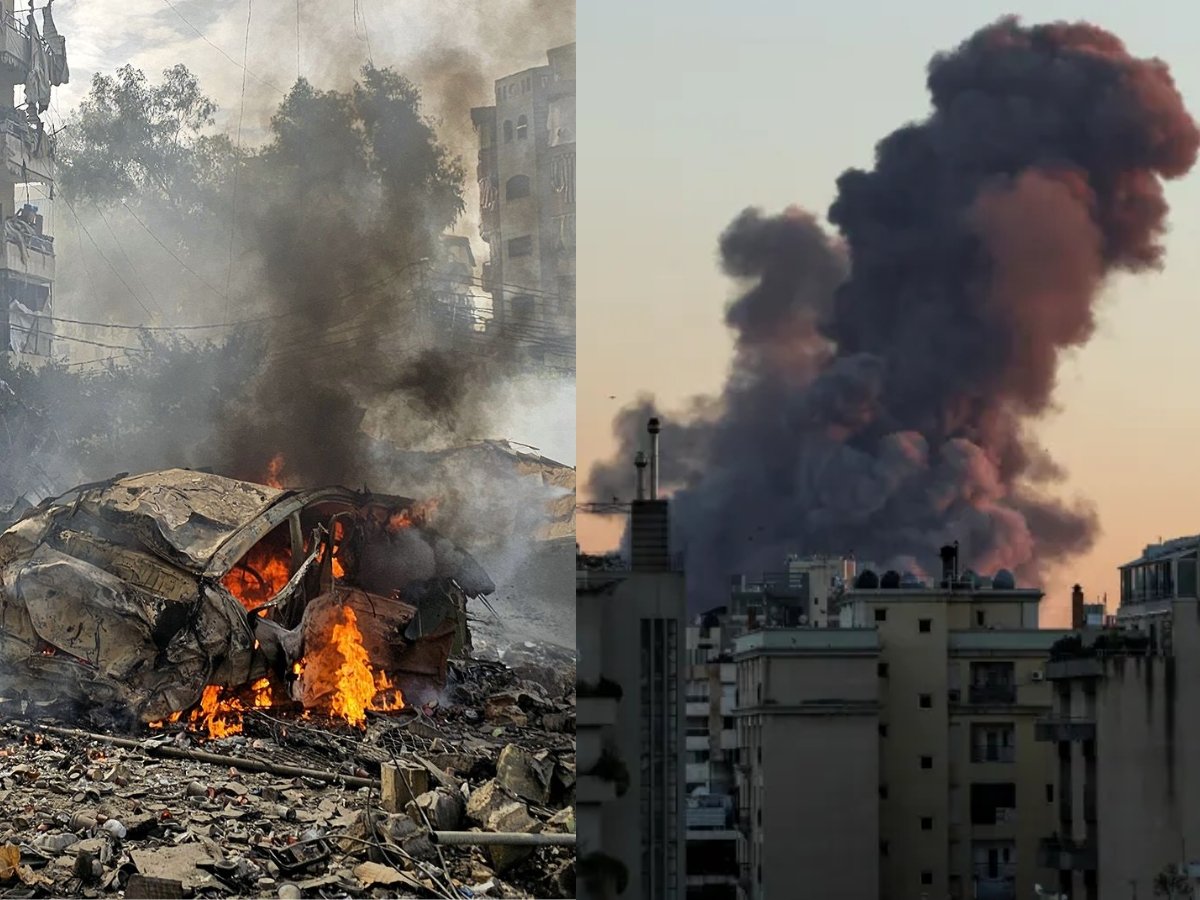
Since the initial strikes, the conflict has widened significantly. Iran responded with missile and drone attacks on Israel and U.S. military bases across the Gulf, triggering air-raid alerts in cities such as Tel Aviv and Jerusalem. Explosions were also reported in Tehran as both sides exchanged heavy fire.
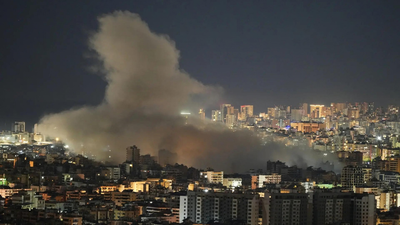
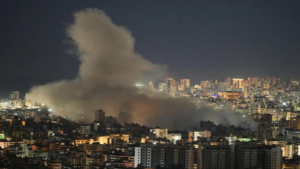
The war has now expanded to other countries in the region. Israel announced a “next phase” of military operations, launching new strikes in Beirut after the Iran-backed militant group Hezbollah joined the conflict. According to Israeli officials, Hezbollah’s involvement was intended to avenge the death of Iran’s Supreme Leader.
Israeli forces claim they have already targeted and killed several Hezbollah commanders in Lebanon as part of the campaign.
Death of Iran’s Supreme Leader Sparks Retaliation
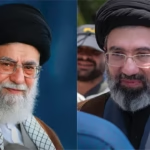
One of the most dramatic developments in the conflict was the reported death of Iran’s Supreme Leader Ayatollah Ali Khamenei, who was killed during the initial wave of U.S.–Israeli strikes, according to Iranian and international reports. His death triggered massive outrage in Iran and among its regional allies.
Iran’s leadership has vowed a “historic retaliation” against both the United States and Israel, warning that the conflict could become the largest military confrontation the region has seen in decades.
Trump Defends Decision to Strike
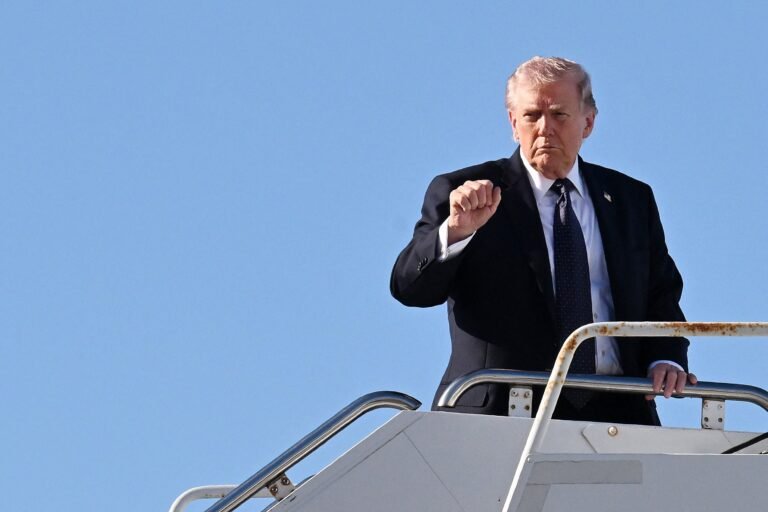
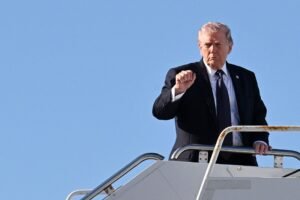
U.S. President Donald Trump has defended the military campaign, saying the strikes were necessary to prevent what he described as an imminent Iranian attack.
Trump rejected suggestions that Israel pushed Washington into the conflict, stating that he may actually have “forced Israel’s hand” to launch the operation first in order to stop Iran from acting.
The coordinated attack—reportedly involving both American and Israeli forces—targeted Iranian air defenses, naval assets, and military infrastructure across several cities. Trump has claimed that much of Iran’s military capability has been severely damaged.
Conflict Spreads to New Fronts
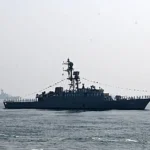
The fighting has increasingly spilled into new areas. According to reports, Iran also targeted locations in the Gulf region, including residential and commercial sites in Bahrain. Meanwhile, U.S. forces reportedly sank an Iranian warship near Sri Lanka, marking one of the most geographically distant confrontations in the conflict so far.
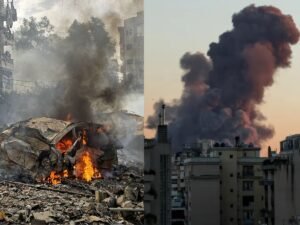
Satellite images and on-ground reports suggest widespread damage across several countries in the region as missiles, drones, and airstrikes continue to hit military and infrastructure targets.
Growing Human and Economic Impact
As the war continues, the human toll is steadily rising. Casualties have been reported in multiple countries, with civilians caught in the crossfire and thousands forced to seek shelter.
The conflict is also beginning to disrupt global trade and energy supplies. Shipping traffic through the Strait of Hormuz, one of the world’s most critical oil routes, has slowed significantly amid fears of attacks on tankers and naval vessels.
Analysts warn that a prolonged conflict could have major consequences for global oil prices and the broader world economy.
Uncertain Road Ahead
With no ceasefire in sight, the Middle East appears to be entering a dangerous phase of escalation. Regional militias aligned with Iran could open additional fronts, while Israel and the United States have signaled they are prepared to continue operations if necessary.
Diplomatic efforts are underway behind the scenes, but for now the war shows no immediate signs of slowing, leaving millions across the region bracing for further violence.