

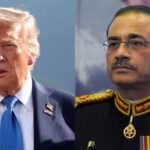
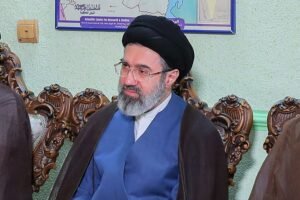
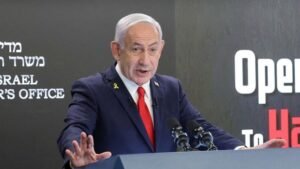
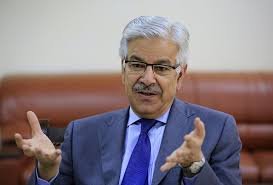
Islamabad / Washington: A fresh diplomatic push to prevent a wider Middle East war is underway, as an Iranian delegation is expected to arrive in Pakistan for crucial peace talks with the United States. The development comes amid a fragile ceasefire and renewed warnings from U.S. President Donald Trump, who says American forces remain on standby for possible military action.
According to officials cited in reports, Iran’s negotiating team is scheduled to reach Islamabad as part of a Pakistan-led effort to mediate between Tehran and Washington. The talks aim to build on a recently announced two-week ceasefire that temporarily halted escalating hostilities between the two sides.
Fragile Ceasefire, High Stakes
The ceasefire, brokered largely through Pakistan’s diplomatic intervention, has created a narrow window for negotiations. However, it remains highly unstable, with both sides expressing sharply different expectations. While the U.S. has pushed for stricter limits on Iran’s nuclear program and regional influence, Tehran has insisted on sanctions relief and the protection of its strategic interests.
Adding to the uncertainty, conflicting statements have emerged over key issues such as uranium enrichment. U.S. officials have suggested Iran agreed to curb its nuclear activities, but Iranian leaders have publicly rejected that interpretation, underscoring deep mistrust between the two sides.
Trump’s Warning: “Troops on Standby”
Even as diplomatic efforts intensify, President Trump has struck a cautious tone. He confirmed that U.S. military assets—including ships and aircraft—remain positioned near Iran, ready to respond if negotiations fail or if Tehran violates the ceasefire terms.
Trump has previously warned that the U.S. could resume large-scale military strikes if a deal is not reached, highlighting the dual-track approach of diplomacy backed by force.
Pakistan’s Crucial Role
Pakistan has emerged as a key intermediary in the crisis, hosting the talks in Islamabad and facilitating communication between the two adversaries. Its leadership has engaged in intense diplomacy to bring both sides to the table, marking a significant shift in its regional role.
However, analysts caution that Pakistan’s influence may be limited when it comes to enforcing any final agreement, especially given the complexity of issues such as regional security, oil routes, and nuclear policy.
Uncertainty Clouds Peace Efforts
Despite optimism around the talks, doubts remain about their success. Confusion over the timing and confirmation of Iran’s delegation—highlighted by a now-deleted announcement from an Iranian envoy—has raised concerns about coordination and trust.
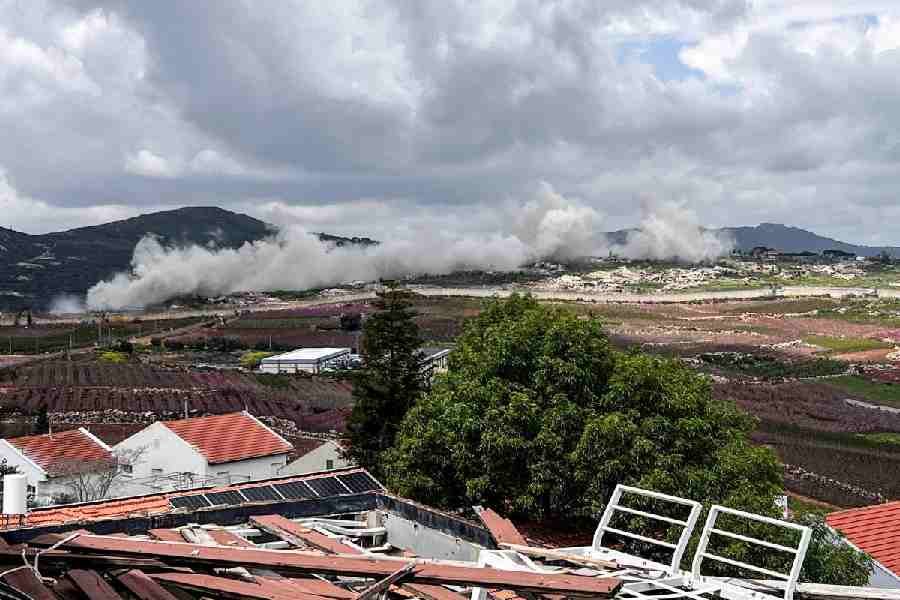
At the same time, ongoing regional tensions—including conflicts involving Israel and Iran-backed groups—threaten to derail the fragile diplomatic process.
What Lies Ahead
The upcoming talks in Islamabad are widely seen as a critical test of whether the current ceasefire can evolve into a longer-term agreement. With military forces on alert and political positions still far apart, the situation remains volatile.
For now, the world is watching closely as diplomacy races against time to prevent a renewed and potentially wider conflict in the region.