





Amid rising tensions in the Middle East, Iran has acknowledged ongoing communication with the United States but firmly rejected claims that the two sides are engaged in formal negotiations.
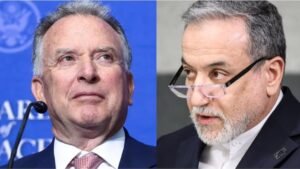
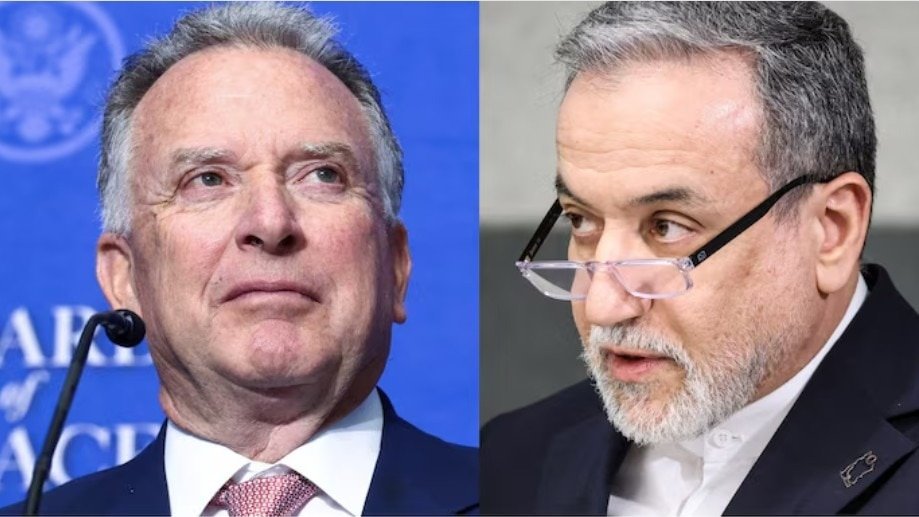
Speaking in a recent interview, Iran’s Foreign Minister, Abbas Araghchi, confirmed that messages have been exchanged with Steve Witkoff, the US special envoy. However, he stressed that these interactions should not be interpreted as negotiations.
“I receive messages from Witkoff directly, as before, and this does not mean that we are in negotiations,” Araghchi said, drawing a clear distinction between communication and diplomatic talks.
No Response to US Proposal
Araghchi also revealed that Tehran has not responded to a 15-point proposal reportedly put forward by Washington. According to him, Iran has neither submitted counterproposals nor set any conditions for talks.
“We have not sent any response… nor have we submitted any proposals or conditions,” he said, indicating that Iran is not currently engaging with the US framework.
The minister added that all exchanges are being handled through official channels, including the foreign ministry and security agencies, suggesting a controlled and cautious approach rather than active diplomacy.
Communication Without Commitment
While contact between the two sides continues, Iranian officials have repeatedly emphasized that these exchanges are indirect or limited in scope. Messages are often relayed through intermediaries or “friendly” channels, rather than through structured, face-to-face negotiations.
This distinction is crucial, as speculation has grown internationally about possible backchannel talks aimed at easing the ongoing conflict. Tehran, however, appears keen to manage expectations and avoid signaling any premature shift toward formal dialogue.
War Still the Central Issue
Araghchi’s remarks come at a time when the conflict involving Iran, the United States, and regional actors continues to escalate. Despite international calls for de-escalation, Iran has made it clear that it is not interested in temporary pauses or limited ceasefires.
Instead, Tehran is pushing for a broader resolution to the crisis—one that addresses long-term security concerns rather than short-term arrangements.
At the same time, Washington has hinted at openness to diplomatic solutions, with reports of proposals and indirect messaging suggesting that both sides are at least exploring options short of continued confrontation.
A Fragile Diplomatic Window
Although both countries remain far apart on key issues, the existence of communication channels—however limited—keeps the door open for potential diplomacy in the future.
Still, Iran’s firm stance indicates that any meaningful negotiations are unlikely unless broader conditions change, particularly regarding military actions and strategic demands.
For now, the situation reflects a delicate balance: communication without commitment, and contact without negotiation.