


Tehran, March 31, 2026 — In a significant escalation of tensions in West Asia, Iran has approved a new plan to impose tolls on vessels passing through the strategically vital Strait of Hormuz, while also banning ships linked to the United States and Israel from transiting the waterway.
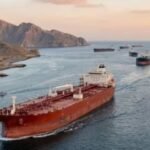
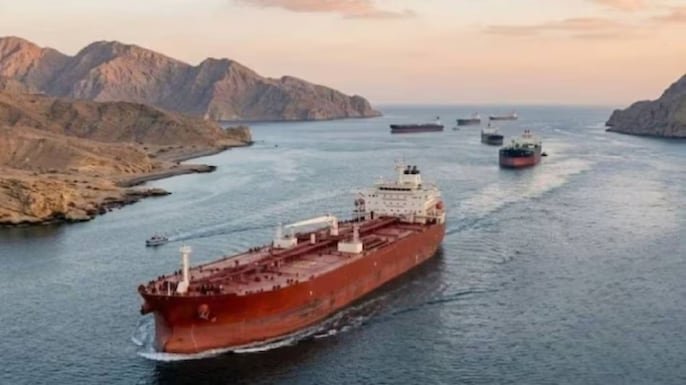
The move, cleared by Iran’s parliamentary security authorities, signals a major shift in control over one of the world’s most critical maritime routes — a narrow passage that carries nearly 20% of global oil supplies.
Tolls and Restrictions Tighten Iran’s Grip
According to Iranian state media reports, the newly approved “Strait of Hormuz Management Plan” introduces a toll system for ships seeking safe passage. While the exact fee structure has not yet been disclosed, the proposal is designed to formalize Iran’s control over shipping traffic in the region.
In addition to the tolls, the plan explicitly bars American and Israeli vessels from entering the strait. It also extends restrictions to ships from countries that support sanctions against Iran, further tightening access.
Officials say the framework may involve coordination with neighboring Oman to establish a legal basis for enforcement, although such cooperation remains uncertain.
A Waterway at the Center of Conflict
The Strait of Hormuz has become a flashpoint amid the ongoing conflict involving Iran, the United States, and Israel. Since late February, the region has witnessed a sharp decline in shipping traffic due to security risks, attacks on vessels, and rising military tensions.
Iran has effectively exercised selective control over the route, allowing only what it describes as “non-hostile” ships to pass, often under strict conditions or coordination.
Analysts say the introduction of tolls formalizes what had already been happening informally, with some vessels reportedly paying large sums for safe passage through Iranian-controlled corridors.
Global Economic Concerns
The development has raised alarm across global markets. Disruptions in the strait have already pushed oil prices sharply higher and created fears of a prolonged energy crisis.
Industry leaders and governments warn that any sustained restriction on the waterway could have far-reaching consequences, affecting fuel prices, supply chains, and inflation worldwide.
Rising Geopolitical Stakes
The United States has repeatedly stressed the importance of maintaining “freedom of navigation” in the strait and has hinted at military measures if access is not restored. Meanwhile, Iran maintains that its actions are a response to ongoing hostilities and sanctions.
With tensions still high and diplomatic efforts ongoing, the Strait of Hormuz remains at the center of a rapidly evolving geopolitical crisis — one that could reshape global energy flows and international trade in the months ahead.