



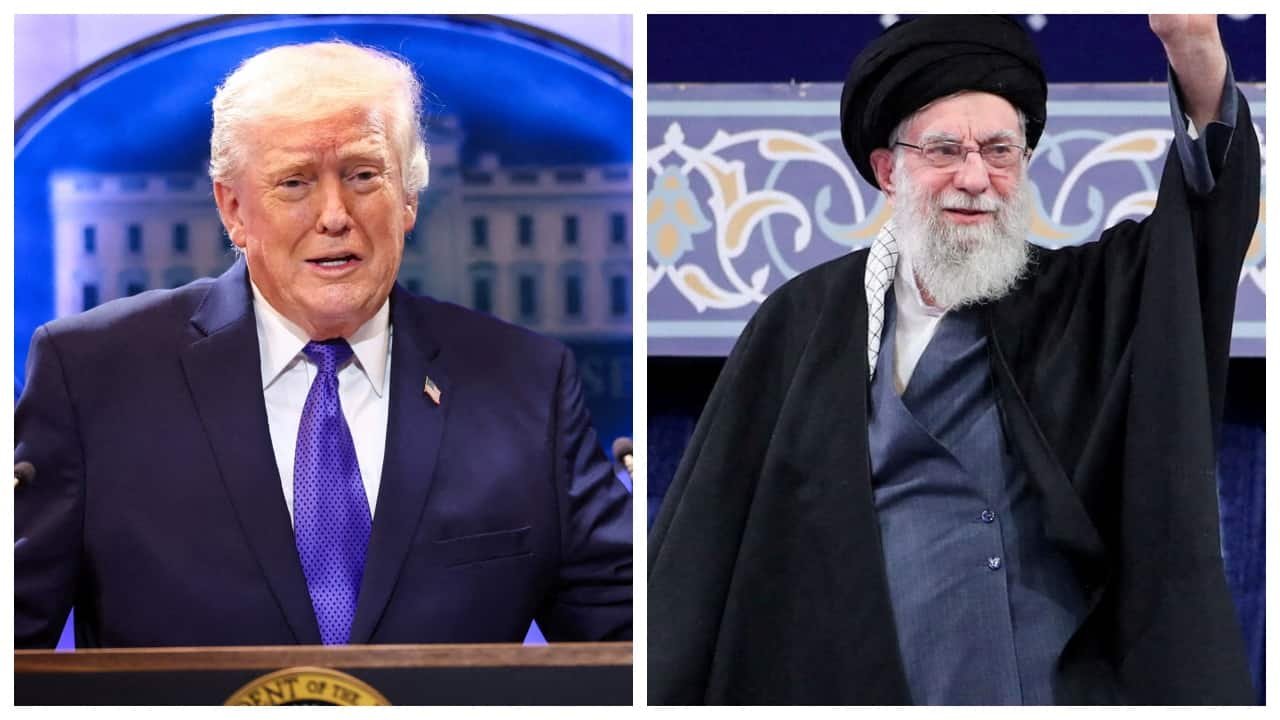
Geneva / Washington DC, 26 Feb 2026 — After weeks of mounting pressure and increasingly sharp rhetoric, Iran and the United States are set to enter a third round of nuclear negotiations in Geneva, even as both countries escalate their posturing on sanctions and military readiness.
Iran’s Foreign Minister Abbas Araghchi arrived in the Swiss city on Wednesday, meeting with his Omani mediator before talks scheduled for Thursday. Tehran has framed the upcoming negotiations as an opportunity to reach a “fair and balanced” deal, insisting it is not seeking nuclear weapons and wants to preserve its right to peaceful nuclear technology.
On the U.S. side, officials stress that diplomacy remains the preferred path but continue to back that message with pressure. The Treasury Department on Wednesday unveiled a sweeping new set of sanctions targeting more than 30 individuals, companies and vessels that Washington says help finance Iran’s petroleum exports and weapons programs.
President Donald Trump, in his recent speeches, has repeatedly warned Tehran that failure to agree to significant concessions could bring consequences beyond economic pressure, underlining ongoing concerns in Washington about Iran’s nuclear ambitions and ballistic missile development.
Diplomacy Under Strain
Despite rosy language about the talks being “within reach,” deep divisions remain. Iranian negotiators are focused primarily on their nuclear program and sanctions relief, while U.S. officials have pressed for broader concessions, including on Iran’s missile capabilities and regional activities.
U.S. Vice President JD Vance reiterated in Washington that Tehran should take the risk of military force seriously — noting that President Trump has “other options” should diplomacy falter.
Iran’s foreign ministry has rejected claims that it seeks nuclear weapons, and Iranian spokespeople have dismissed U.S. accusations as exaggerated or false.
Pressure and Military Posturing
The backdrop to the Geneva negotiations is one of growing tension. The U.S. has deployed what analysts describe as its most significant military buildup in the Middle East in years, including aircraft carriers and additional combat aircraft, as part of a deterrence strategy.
Iran, for its part, has conducted military drills and affirmed that it is prepared to defend itself against any attack. Iranian parliament speaker Mohammad Bagher Ghalibaf warned that Tehran would respond forcefully to any aggression, underscoring the precarious balance between talks and confrontation.
A Region on Edge
The negotiations come amid broader instability in the Middle East and ongoing disagreement over the future of the 2015 nuclear deal framework. International inspections of Iranian nuclear facilities remain limited, and questions persist about the status of enrichment and related infrastructure.
Both sides appear committed — at least publicly — to diplomacy, but analysts say the underlying mistrust and strategic differences mean that the path ahead could remain fraught.
For now, the world watches as diplomats prepare to test whether negotiation can avert a crisis that has already reshaped regional alliances and driven global economic uncertainty.