








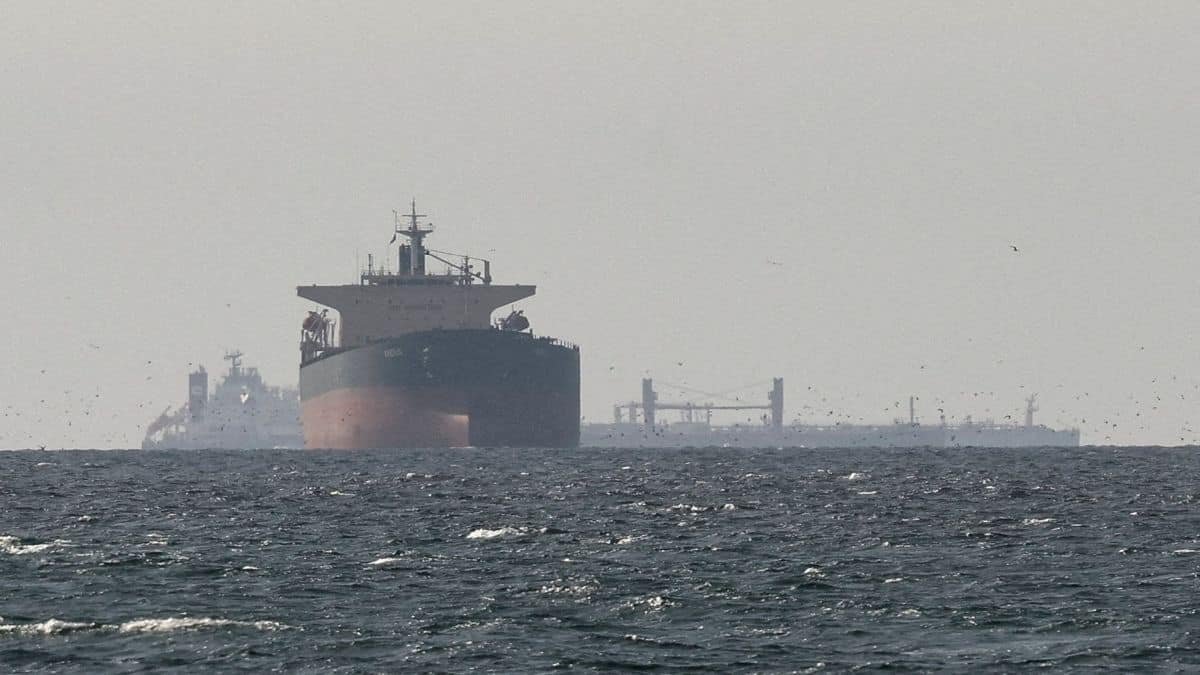
In a significant move to safeguard maritime trade and ensure the safety of Indian seafarers, the Indian Navy has begun escorting Indian-flagged merchant vessels through the Gulf of Oman, as regional tensions continue to disrupt vital shipping routes.
The decision comes against the backdrop of escalating conflict in the Middle East, particularly around the strategically crucial Strait of Hormuz — a narrow passage that handles a substantial portion of global oil and gas shipments. With increasing reports of attacks on commercial ships and heightened security risks, Indian authorities have stepped up protective measures for vessels heading to and from the country.
Navy Steps In to Secure Trade Routes
According to officials, Indian naval warships have been deployed in the region to accompany merchant vessels, providing close protection as they navigate through high-risk waters. The escort operations are part of ongoing efforts to maintain the uninterrupted flow of energy supplies and commercial goods critical to India’s economy.
The move follows growing concerns over the safety of Indian ships, many of which were either stranded or forced to delay their journeys due to security threats in the region. Reports indicate that dozens of Indian vessels, along with hundreds of crew members, have been operating under uncertain and potentially dangerous conditions in the Gulf of Oman and nearby waters.
Strategic Importance of the Region
The Gulf of Oman and the adjoining Strait of Hormuz are among the world’s most vital maritime corridors. A significant share of India’s crude oil and liquefied petroleum gas (LPG) imports pass through these waters, making any disruption a serious concern for the country’s energy security.
Recent geopolitical developments, including military tensions involving Iran, the United States, and Israel, have heightened risks for commercial shipping. Incidents involving attacks on vessels and threats to block the strait have added urgency to India’s response.
Protecting Indian Seafarers
Beyond safeguarding cargo, the naval escort missions are also aimed at protecting Indian crew members working aboard these ships. Thousands of Indian sailors are employed on vessels operating in the region, many of whom have faced prolonged uncertainty due to the volatile situation.
The Indian government has been closely monitoring developments and coordinating with international partners to ensure the safety of its nationals. In some cases, naval presence has already helped ships transit safely through sensitive zones, reinforcing confidence among shipping operators.
Part of a Broader Security Effort
The escort operations align with India’s broader maritime security initiatives, including sustained naval deployments in the region to deter threats such as piracy, armed attacks, and disruptions to shipping lanes.
Experts note that such missions not only protect immediate economic interests but also signal India’s commitment to securing international sea lanes and supporting global trade stability.
Looking Ahead
While the current naval deployments have provided a degree of reassurance, the situation in the region remains fluid. Continued tensions mean that risks to shipping are unlikely to subside in the near term.
For now, the Indian Navy’s presence in the Gulf of Oman stands as a critical line of defence, ensuring that essential supplies continue to reach Indian shores and that the country’s maritime interests remain protected in uncertain times.