



The ongoing conflict involving Iran, Israel, and the United States has taken a dramatic turn, shifting from conventional military operations to a high-stakes battle over energy infrastructure—raising alarm across global markets and political capitals.
Strike on World’s Largest Gas Field
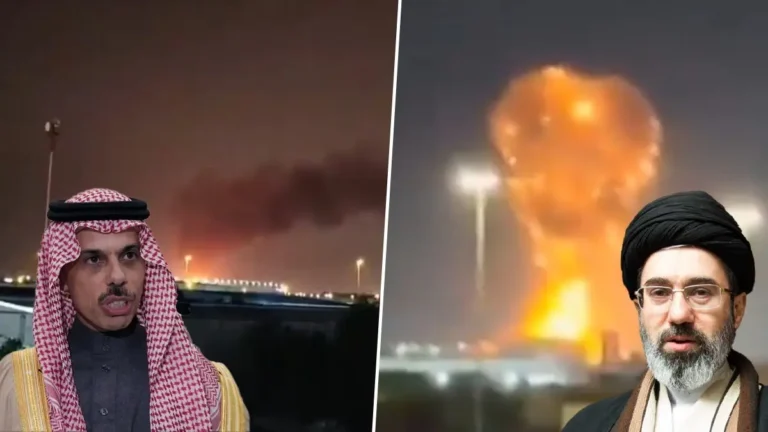
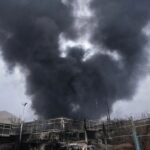
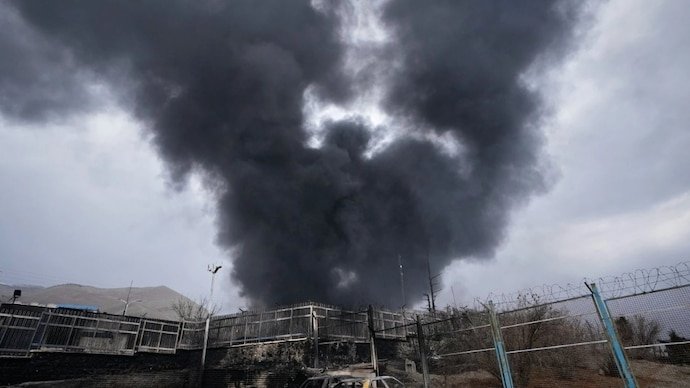
Tensions surged after strikes targeted Iran’s South Pars gas field, the largest natural gas reserve in the world and a critical pillar of the country’s domestic energy supply. The facility, shared with Qatar, suffered significant damage, with fires reported at key processing sites near the coastal hub of Asaluyeh.
The attack marks a major escalation in the conflict, signaling a shift toward economic warfare. Analysts say targeting energy infrastructure could have far-reaching consequences, not only for Iran but for global energy stability.
Immediate Retaliation and Regional Fallout
Iran responded swiftly, warning of retaliatory strikes against energy installations across the Gulf, including facilities in Saudi Arabia, the United Arab Emirates, and Qatar.
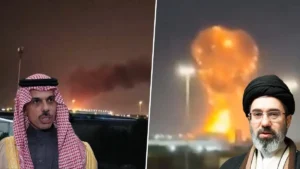
Within hours, missile attacks were reported on key energy hubs, including Qatar’s Ras Laffan industrial city—one of the world’s most important liquefied natural gas (LNG) export terminals. Fires broke out at the site, further intensifying fears of supply disruptions.
The widening scope of attacks has drawn in multiple countries, even those not directly involved in the conflict, highlighting the vulnerability of critical energy infrastructure across the region.
Oil Prices Surge, Markets React
Global energy markets reacted sharply. Oil prices surged toward $110 per barrel amid fears of prolonged disruption to supply chains.
The situation is particularly sensitive due to the strategic importance of the Strait of Hormuz, a narrow shipping route through which roughly one-fifth of the world’s oil passes. Ongoing hostilities have already disrupted maritime traffic, compounding market instability.
Meanwhile, Qatar—responsible for a significant share of global LNG exports—has been forced to halt or reduce production, raising concerns about shortages in Europe and Asia.
International Reactions Mount
Global reactions have been swift and critical. Gulf nations, including Qatar and the UAE, have condemned the strikes as a “dangerous escalation” threatening both regional security and the global energy supply.
Oman and other regional players have also warned that targeting energy infrastructure risks triggering a broader crisis with worldwide economic consequences.
The United States, while reportedly supportive of Israel’s broader campaign, has sent mixed signals. Former President Donald Trump warned of severe retaliation if Iran continues to strike Gulf facilities, even suggesting further action against Iran’s energy assets.
A Conflict Expanding Beyond Borders
What began as a regional military confrontation is now rapidly evolving into a wider economic and geopolitical crisis. With both sides targeting energy infrastructure, the conflict is no longer confined to battlefields—it is directly impacting global supply chains, energy prices, and economic stability.
Experts warn that if the escalation continues, the world could face one of the most severe energy disruptions in decades, with ripple effects felt far beyond the Middle East.
As the situation develops, governments and markets alike remain on edge, watching closely for the next move in a conflict that is increasingly shaping the global economic landscape.