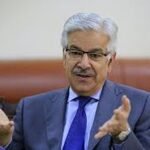
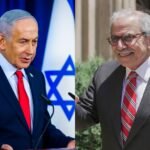

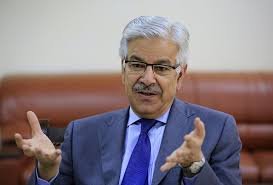
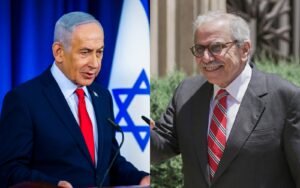
A sharp diplomatic confrontation has erupted between Pakistan and Israel after Pakistan’s Defence Minister, Khawaja Asif, made controversial remarks describing Israel as “evil” and a “curse for humanity.”
The comments, posted on social media platform X and later deleted, came amid escalating tensions in the Middle East and ongoing ceasefire discussions involving the United States and Iran.
What Triggered the Controversy?
Khawaja Asif’s remarks were made in response to Israel’s recent military actions in Lebanon, which reportedly resulted in heavy civilian casualties. In his post, Asif accused Israel of committing “genocide” and claimed that violence had continued from Gaza to Iran and now Lebanon.
He wrote that innocent civilians were being killed and added that Israel’s actions represented ongoing “bloodletting.” The minister also used highly provocative language, expressing hope that those responsible for the creation of Israel would “burn in hell.”
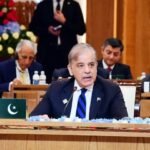
The post quickly drew international attention and backlash, especially given Pakistan’s role as a potential mediator in ongoing regional peace efforts.
Israel Responds Strongly
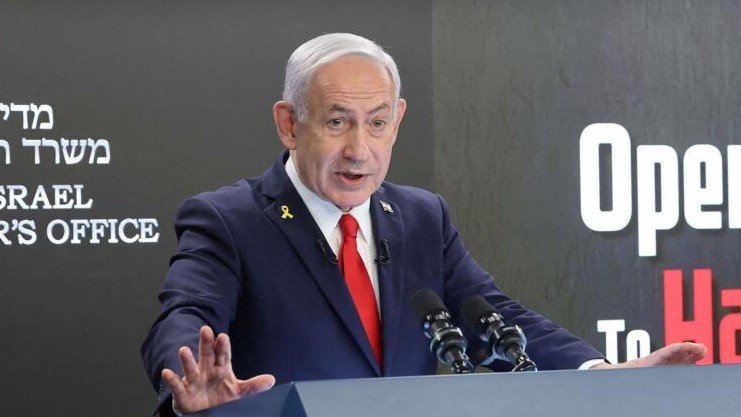
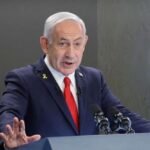
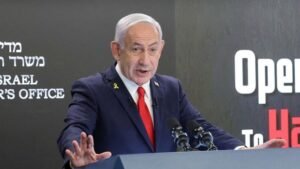
Israel reacted swiftly and firmly to the remarks. The office of Prime Minister Benjamin Netanyahu condemned the statement, calling it “outrageous” and unacceptable.
In an official response, Netanyahu’s office said the comments effectively amounted to a call for Israel’s destruction—something it said could not be tolerated from any government, particularly one positioning itself as a neutral participant in peace negotiations.
Israeli officials also questioned Pakistan’s credibility as a mediator in the ongoing diplomatic efforts tied to the US-Iran ceasefire.
Timing Raises Concerns
The controversy comes at a particularly sensitive moment. Pakistan has been involved in facilitating discussions related to a ceasefire between the United States and Iran, with talks reportedly linked to broader regional stability.
However, Asif’s remarks have cast doubt on Islamabad’s ability to act as an impartial broker. Israeli officials have openly questioned whether Pakistan can maintain neutrality after such strong and inflammatory statements.
Post Deleted, But Fallout Continues
Following the backlash, Khawaja Asif deleted his post. However, the diplomatic damage had already been done. The incident has further strained relations between the two countries, which do not maintain formal diplomatic ties.
The episode also highlights the growing war of words surrounding the Middle East conflict, where rhetoric from political leaders is increasingly influencing diplomatic dynamics.
Broader Implications
This exchange underscores how fragile current ceasefire efforts remain. With multiple countries involved and tensions running high, even a single statement can complicate already delicate negotiations.
As the situation develops, all eyes will be on whether this verbal clash impacts ongoing peace talks—and whether Pakistan can retain its role in mediating one of the region’s most complex conflicts.