









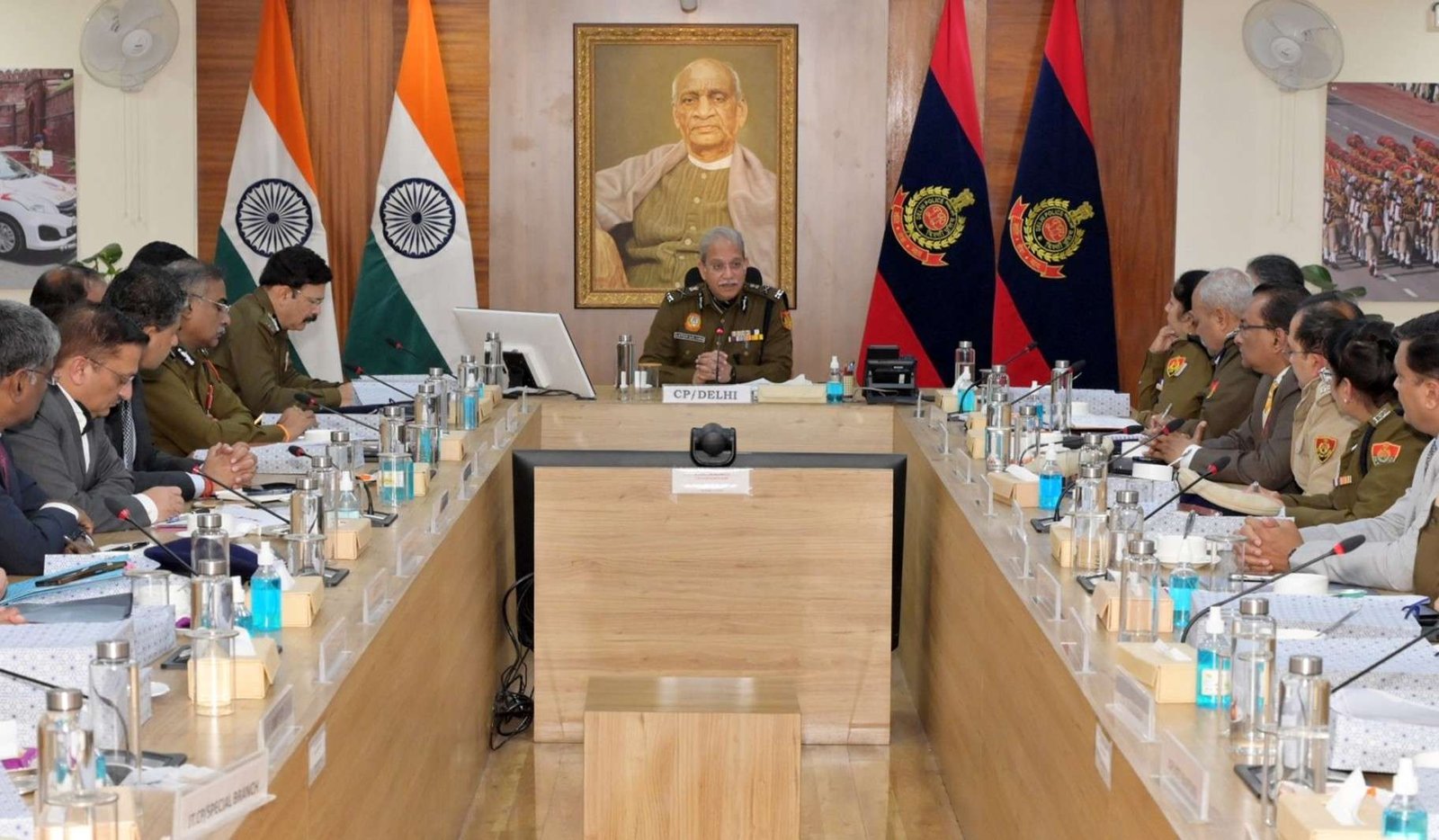
New Delhi: The Delhi Police on Friday moved to calm growing anxiety over social media claims that hundreds of girls and women were going missing in the national capital, saying the narrative was being exaggerated and amplified through paid promotions designed to spread fear.
In a series of posts on the social platform X, the police said it had tracked the origin of the trending claims and found that some of the content driving the panic was being sponsored for monetary gain. Officials warned that those responsible would face strict action.
“After following a few leads, we discovered that the hype around the surge in missing girls in Delhi is being pushed through paid promotion. Creating panic for monetary gains won’t be tolerated, and we’ll take strict action against such individuals,” the Delhi Police said in an official post.
The clarification came after a wave of social media posts appeared to suggest that 807 people — most of them women and children — had gone missing in Delhi in the first half of January. The posts drew widespread attention and concern among citizens, prompting heated discussions online and in political circles.
Former Delhi Chief Minister and Aam Aadmi Party (AAP) leader Arvind Kejriwal raised the alarm on social media, calling the situation “extremely frightening” and questioning public safety in the capital. His comments added fuel to the debate and intensified public anxiety.
However, the police said the raw numbers being circulated were misleading without context. According to law enforcement data, the total number of missing-person cases reported in the city this year is not unusually high compared with previous years — and in some measures, the figures actually show a slight decline.
Senior officers stressed that there is no evidence of organised gangs abducting girls or children, and that every report involving a missing child is treated with urgency and priority under established procedures. They also noted that modern reporting systems quickly register even brief absences — such as a child delayed in returning from school — which can inflate raw numbers without indicating a deeper trend.
Police Public Relations Officer Sanjay Tyagi urged the public not to fall for sensationalised claims and cautioned against sharing unverified information, saying it could cause unnecessary panic. He reiterated that legal action could be taken against individuals or accounts that intentionally spread misleading content for profit.
The exchange has highlighted the challenges authorities face in the age of viral misinformation, where unverified figures can spread rapidly and shape public perception long before facts are clarified.