

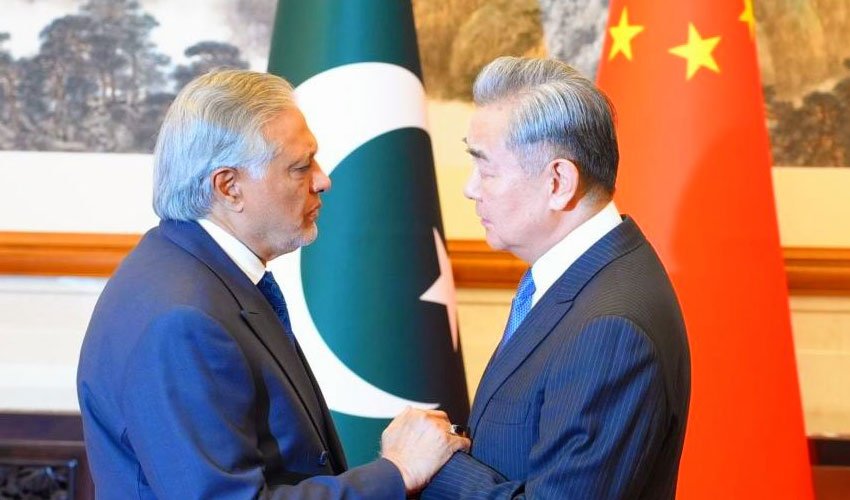
Beijing, March 31, 2026 — China and Pakistan have jointly called for an immediate ceasefire in the ongoing Middle East conflict, stepping up diplomatic efforts to ease tensions and restore the flow of global energy supplies through the Strait of Hormuz.
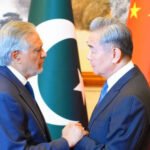
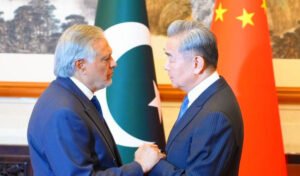
The appeal came after high-level talks in Beijing between Chinese Foreign Minister Wang Yi and his Pakistani counterpart Ishaq Dar. Both countries stressed the urgent need to halt hostilities and restart peace negotiations, as the region faces mounting instability from the intensifying conflict involving Iran, the United States, and Israel.
At the heart of their proposal is the reopening of the Strait of Hormuz — one of the world’s most critical maritime chokepoints. The narrow waterway handles roughly 20% of global oil and gas shipments, and its disruption in recent weeks has rattled energy markets and threatened supply chains, particularly across Asia.
In a joint statement, Beijing and Islamabad outlined a multi-point peace initiative focused on de-escalation. The plan emphasizes an immediate ceasefire, the protection of civilian infrastructure, and the safe passage of commercial vessels through the strait. It also calls for renewed diplomatic dialogue as the only viable path to resolving the crisis.
The conflict, now in its fifth week, has severely disrupted shipping in the Gulf. Iran’s military actions and threats have effectively halted most maritime traffic through the Strait of Hormuz, leaving hundreds of vessels stranded and pushing oil prices higher.
Pakistan, which maintains diplomatic ties with both Washington and Tehran, is increasingly positioning itself as a mediator. Officials in Islamabad have already hosted talks involving regional powers such as Saudi Arabia, Turkey, and Egypt, signaling a broader effort to bring multiple stakeholders to the negotiating table.
China’s involvement reflects its growing role as a diplomatic power in global conflicts, particularly those that threaten energy security. As one of the largest importers of oil passing through Hormuz, Beijing has a strong economic incentive to push for stability and ensure the uninterrupted flow of resources.
Despite the joint initiative, uncertainties remain. Iran has yet to formally respond to several international proposals, including a separate U.S.-backed plan. Meanwhile, military activity continues across the region, complicating efforts to secure a quick breakthrough.
Still, the coordinated move by China and Pakistan highlights a shifting geopolitical landscape — one where regional and global powers are increasingly stepping in to prevent further escalation and economic fallout.
For now, the success of the proposal will depend on whether the key parties to the conflict are willing to step back from confrontation and return to the negotiating table.