






March 2026 — Middle East:
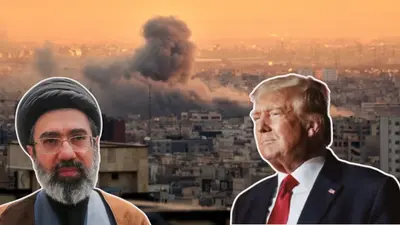
A rapidly escalating conflict involving Iran, the United States, and Israel has entered a dangerous new phase, with missile strikes, air raids, and naval attacks spreading across multiple countries in the Middle East. The war, which began with coordinated U.S.–Israeli strikes on Iranian targets in late February, has triggered retaliatory attacks by Iran and raised fears of a wider regional conflict.
Background: How the War Began
The current conflict started on February 28, 2026, when the United States and Israel launched a series of coordinated strikes against military facilities, leadership targets, and nuclear-related sites inside Iran. The operation targeted key infrastructure in Tehran and other cities and was part of a broader effort to weaken Iran’s military and nuclear capabilities.
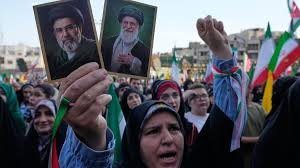
During the initial attacks, Iran’s Supreme Leader Ayatollah Ali Khamenei was killed in an airstrike near Tehran. Iranian authorities confirmed his death shortly afterward, marking one of the most significant political and military shocks in the country’s modern history.
Iran condemned the strikes as an act of war and vowed retaliation.
Missile and Drone Attacks Across the Region
In response, Iran launched hundreds of missiles and drones toward Israeli cities and U.S. military bases across the Middle East. Air-raid sirens sounded in major Israeli cities including Tel Aviv and Jerusalem as the Israeli military attempted to intercept incoming projectiles.
Iranian strikes have also targeted or threatened U.S. bases in Gulf countries, including Bahrain, Qatar, and Kuwait, increasing tensions throughout the region. Several neighboring countries have raised security alerts as they brace for potential spillover from the conflict.
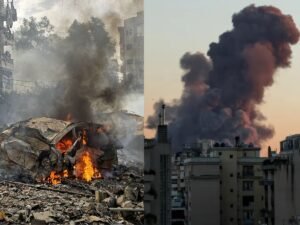
The fighting has already caused significant casualties. Reports indicate over 1,000 people have been killed in Iran, while dozens have died in Lebanon and Israel since the conflict began.
U.S. and Israeli Airstrikes Continue
The United States and Israel have continued heavy bombardments on Iranian territory. Military officials say the strikes are aimed at missile launch sites, military bases, and infrastructure connected to Iran’s defense and nuclear programs.
U.S. officials have signaled that the campaign may expand further. Defense Secretary Pete Hegseth reportedly said the United States is “just getting started” as operations continue to target Iranian military capabilities.
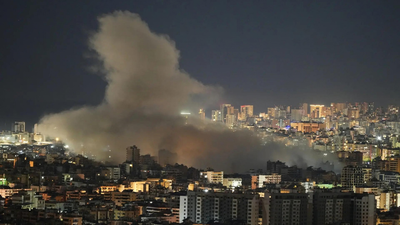
Meanwhile, Israeli forces have also opened additional fronts in the region, launching strikes against Iran-backed Hezbollah positions in Lebanon after the group fired rockets toward Israel.
Naval Escalation in the Indian Ocean
The conflict has also spread to the seas. In a dramatic development, a U.S. submarine torpedoed and sank an Iranian warship in the Indian Ocean, killing many crew members and further escalating tensions between Washington and Tehran.
The attack highlighted how the conflict is expanding beyond traditional battle zones in the Middle East.
Global Economic Impact
The war has already begun to affect the global economy. Iran’s threats and attacks around the Strait of Hormuz, a crucial shipping route for oil exports, have disrupted maritime traffic and raised fears about energy supply shortages.
About 20% of the world’s oil passes through the strait, meaning prolonged conflict could send energy prices sharply higher and disrupt global trade.
Financial markets have reacted nervously, and analysts warn that continued instability could push oil prices toward $100 per barrel.
Political Reactions and Global Concerns
International reactions have been mixed. Some governments have called for restraint and diplomacy, warning that further escalation could trigger a broader regional war involving multiple countries.
Inside the United States, the conflict has also sparked political debate. Some lawmakers have supported the military campaign, while others have questioned whether the war could drag on longer than expected.
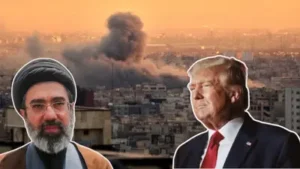
President Donald Trump praised the performance of U.S. forces and said the military was “doing very well on the war front.”
Fear of a Wider Regional War
Experts warn the conflict could widen further if more regional actors become involved. Iran’s network of allied militias across the Middle East — including groups in Lebanon, Iraq, and Syria — could potentially open additional fronts against Israel or U.S. forces.
At the same time, tensions remain high in Gulf countries where U.S. military bases are located, raising fears that further Iranian retaliation could pull more nations into the conflict.
An Uncertain Path Forward
With missile strikes continuing and air raids intensifying, the situation remains highly volatile. The coming weeks will likely determine whether the conflict stabilizes through diplomacy or escalates into a prolonged regional war.
For now, civilians across the Middle East remain on edge as the fighting shows few signs of slowing.