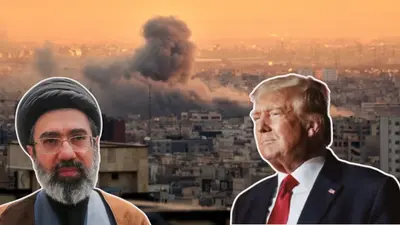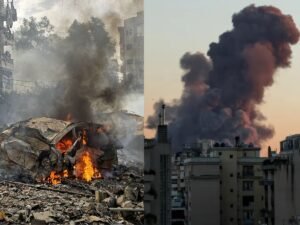






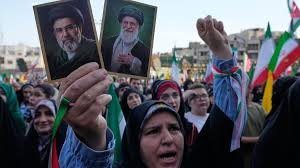


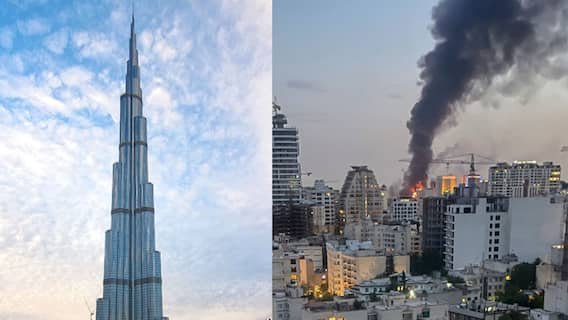
Dubai — A wave of Iranian missile and drone strikes overnight left parts of Dubai’s infrastructure and iconic skyline scarred, injuring dozens and raising fears of a broader regional conflict. The UAE’s busiest aviation hub and one of its most recognisable landmarks sustained damage as tensions between Tehran, Washington and Tel Aviv spiral further.
In the early hours of Sunday, Dubai International Airport saw a concourse at one of its terminals damaged during what authorities described as an “incident.” Four airport staff were hurt but their injuries were reported as non-life-threatening. Passengers had been cleared from much of the facility before the strike, with UAE authorities already in crisis-mode as the national airspace remained closed.
Not far from the airport, debris from intercepted drones sparked a blaze on the outer facade of the Burj Al Arab, a symbol of the city’s luxurious tourism image. The fire was brought under control by emergency teams, and there were no injuries reported at the hotel itself, authorities confirmed.
Beyond the airport and hotel, fires were also reported at a building on Palm Jumeirah and at a berth in Jebel Ali Port after falling debris from aerial interceptions caused secondary ignition points. Two residents in Dubai were injured when debris struck homes.
Casualties and Wider Impact
The UAE’s official statements said at least one person was killed in Abu Dhabi at Zayed International Airport, where debris from an intercepted drone fell, and many more were injured across the country. Other Gulf states, including Doha and Manama, also reported blasts and air-defence responses as Iranian strikes spread.
The scale of the assaults was substantial: UAE officials reported that 137 missiles and more than 200 drones were fired at the country, with most intercepted by robust air-defence systems. However, falling debris from those interceptions still caused significant disruption and damage.
Why This Happened
The strikes appear to be part of a direct Iranian retaliation following a joint U.S.–Israeli military operation against Iranian targets, which Tehran said marked a violation during ongoing nuclear negotiations. As tensions escalated into open confrontation, Iran launched attacks not just toward U.S. bases but also at allied states in the Gulf.
Travel Chaos and Global Ripples
Dubai’s airport and many others in the region were forced to suspend flights, with airspace over much of the Middle East largely cleared, affecting thousands of passengers worldwide. Global carriers rerouted or cancelled flights, and travellers were left stranded amid growing uncertainty.
Countries including India have issued safety advisories for their citizens in the UAE. Indian badminton star PV Sindhu shared that she was at Dubai International Airport during the explosions but was moved to a secure location.
A City Tested
Once seen as an oasis of safety and stability in a volatile region, Dubai now finds itself directly touched by war-time hostilities. The strikes—from airport terminals to luxury hotels—underscore how quickly geopolitical conflicts can reverberate through global trade and travel hubs.